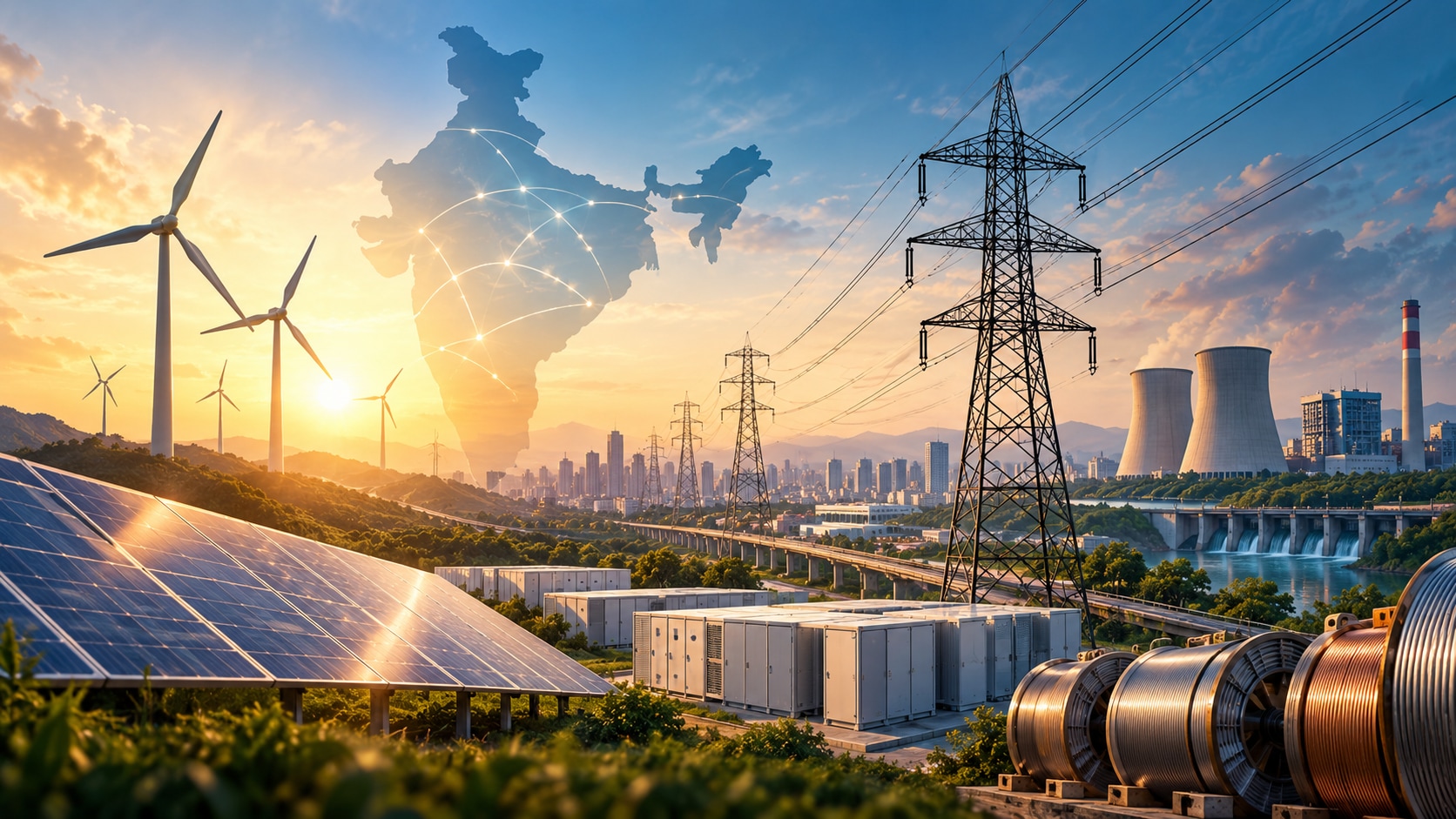
India’s long-term energy investment cycle is increasingly centered on battery energy storage systems (BESS), driven by the need to manage renewable intermittency and keep power systems stable. Multiple outlets describe BESS as a key enabler for balancing electricity supply and demand as variable renewable generation expands.
In this capex-focused coverage, the discussion spans upgrades to power generation and grid infrastructure as well as the broader shift toward renewables and additional low-carbon options. The common thread is that as the share of renewable energy grows, utilities and system operators need additional flexibility to smooth output fluctuations. BESS is presented as a practical mechanism to support grid reliability during periods when solar and wind generation rise or fall.
Across the sources provided, the emphasis is largely consistent: BESS is treated as increasingly important to integrating renewables and maintaining grid stability. Differences are mainly in the framing and scope—some coverage places stronger emphasis on where opportunities exist across the energy value chain, while others focus on the technical grid-management rationale.