


Reports describe cases in which people—specifically women—do not realize they snore until they notice it in shared settings such as hotels or at home. In one account, a woman learns she snores only after staying in a hotel room with a daughter following a family gathering. She describes the experience as embarrassing and says she had not previously considered seeing a doctor. The articles frame snoring as a potentially serious health issue, citing associations discussed in medical coverage, including increased risk of cardiovascular problems such as heart attack and stroke when snoring is related to sleep-disordered breathing. However, the material provided focuses mainly on personal discovery and the social impact of snoring, rather than detailing the diagnostic process, whether sleep apnea was confirmed, or the specific medical intervention used. Overall, the coverage emphasizes that snoring can go unnoticed, may warrant attention, and that addressing it can lead to changes in sleep and daily life, though the underlying clinical details are not fully specified in the excerpts.
Women may be unaware of snoring, which can be linked to health risks
Reports describe cases in which people—specifically women—do not realize they snore until they notice it in shared settings such as hotels or at home. In one account, a woman learns she snores only af...

- A woman reports discovering she snores only after sharing a hotel room with a daughter.
- The account describes snoring as embarrassing and something she had not sought medical advice about.
- The coverage links snoring to potential health risks, including cardiovascular conditions such as heart attack and stroke.
- The articles emphasize that snoring can be unnoticed until observed by others in shared environments.
Helen Robinson didn't even know she snored until she shared a hotel room with one of her daughters after a family party. She says it was 'mortifying', but didn't think to see a doctor.
3 months agoHelen Robinson didn't even know she snored until she shared a hotel room with one of her daughters after a family party. She says it was 'mortifying', but didn't think to see a doctor.
3 months ago
Fire at Islamabad hospital maternity ward kills at least 14–15 newborns
A fire at a state-run hospital in Pakistan’s capital, Islamabad, kills at least 14 newborn babies, with multiple reports...
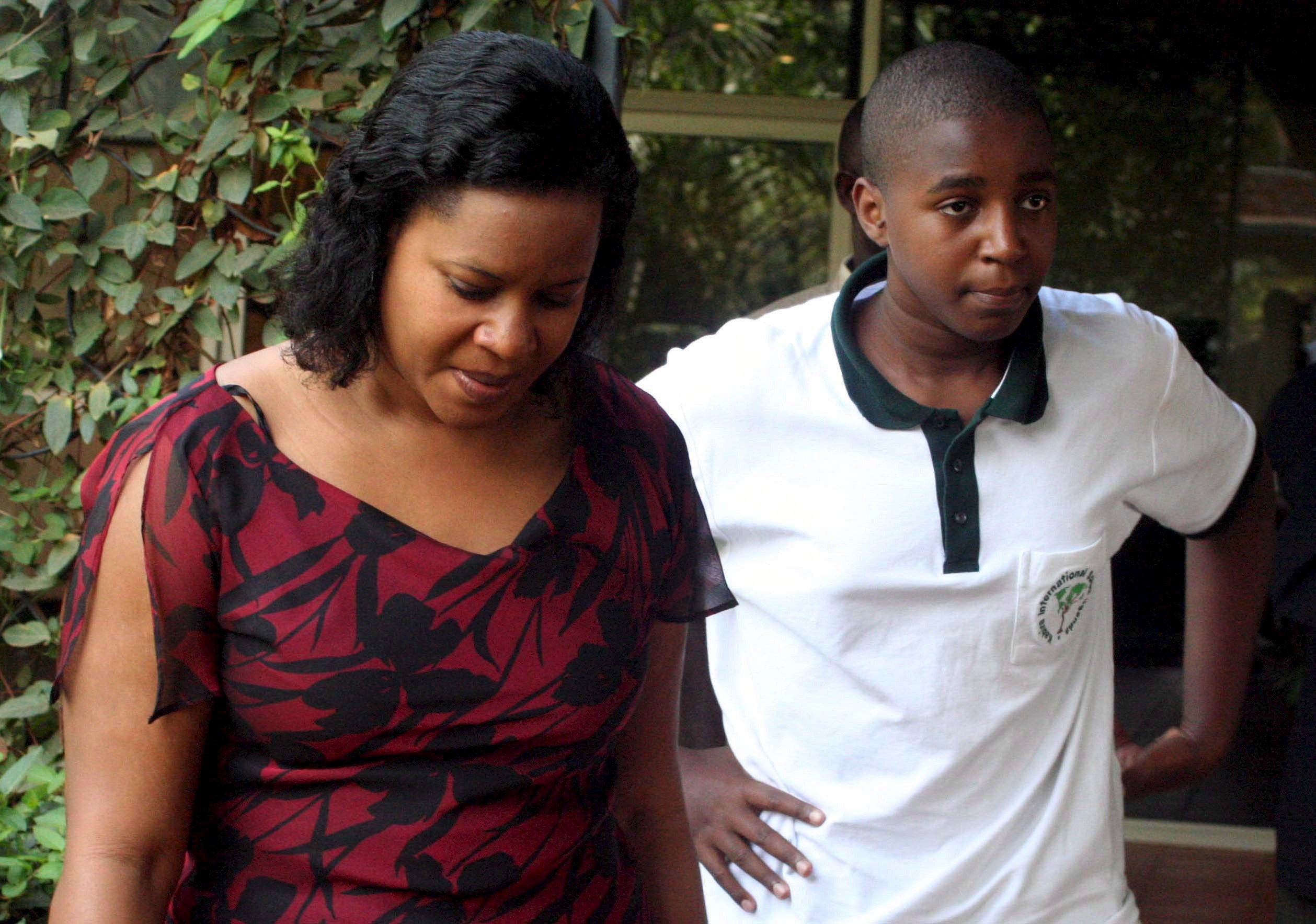
Ugandan King Oyo Nyimba, crowned at three, dies aged 34
Ugandan traditional monarch Oyo Nyimba, known as a “boy king” after taking the throne at a very young age, has died at 3...

Death toll rises in Nepal–Tibet floods and landslides, with hundreds dead and over 1,000 missing
Severe flash floods and landslides strike areas along the Nepal–Tibet border, and officials report rising casualties as...