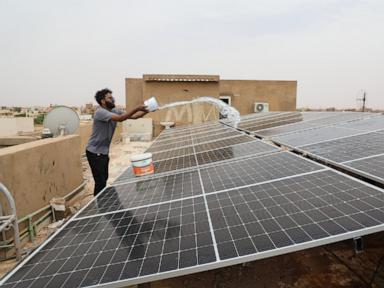
Sudan’s ongoing conflict is causing frequent electricity blackouts, and many residents are turning to solar power to keep basic services running. Multiple outlets report that solar systems are increasingly used as a substitute for unreliable grid electricity.
The sources also agree that access is uneven. While solar can reduce the impact of outages, the upfront cost of panels, batteries, and related equipment is high for many households. As a result, some residents manage to adopt solar solutions, while others remain reliant on limited or intermittent alternatives.
The reporting focuses on the practical effects of the war-related power disruption—specifically how residents respond at household level. One outlet highlights that the shift toward solar reflects both the frequency of blackouts and the growing need for off-grid power, but that financial barriers prevent broad uptake across different communities.