


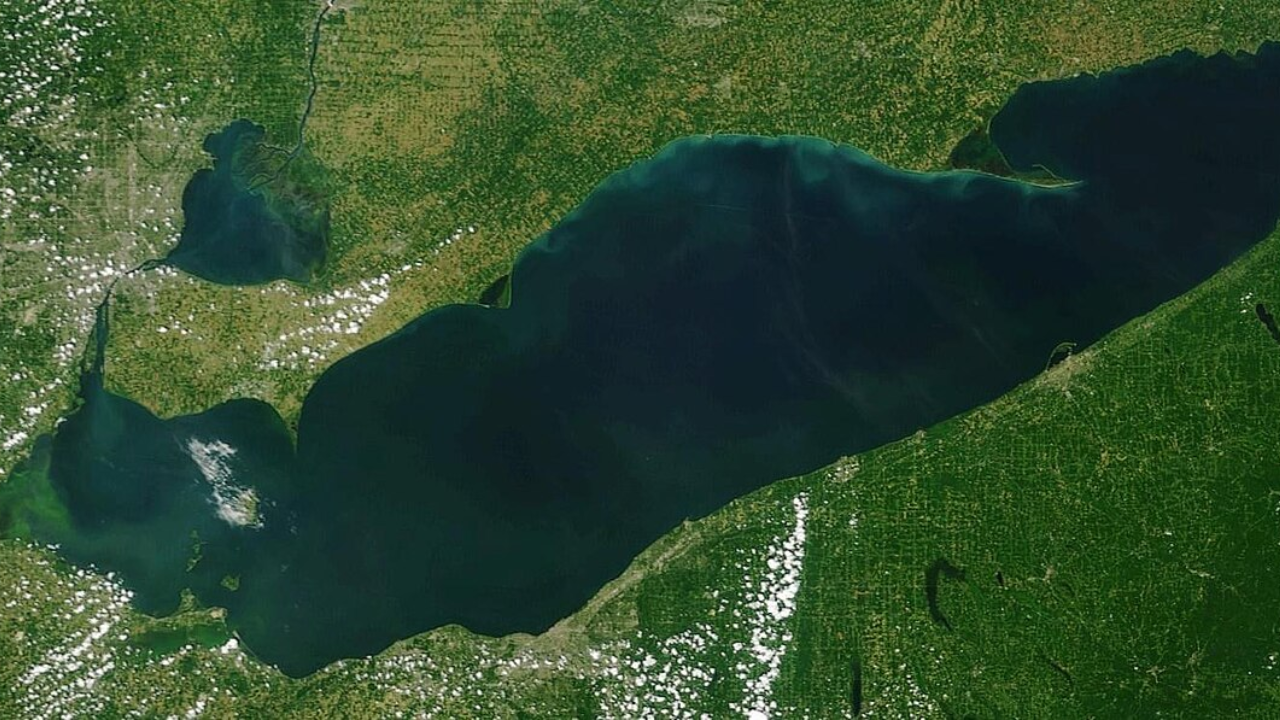
A study reports that reconnecting a 25-acre Lake Erie wetland brings a major increase in fish activity. High-resolution sonar detects about 3.44 million fish movements entering and exiting the restored habitat, indicating that the area quickly becomes usable for aquatic species.
The research also documents that fish use the marsh throughout the day and night, with activity patterns that researchers say can inform how restored Great Lakes coastal wetlands are managed. In related reporting, the removal of the Brecksville Dam is described as expanding connected free-flowing habitat linked to Lake Erie to 71 km, which supports broader ecosystem recovery efforts in the region.
Across the sources, the emphasis is on the role of habitat reconnection in enabling fish access to restored areas, with sonar providing the evidence of scale and timing. The outlets differ mainly in which restoration actions they highlight—wetland reconnection versus dam removal—while describing consistent, sonar-based findings about fish movements and continuous use.


