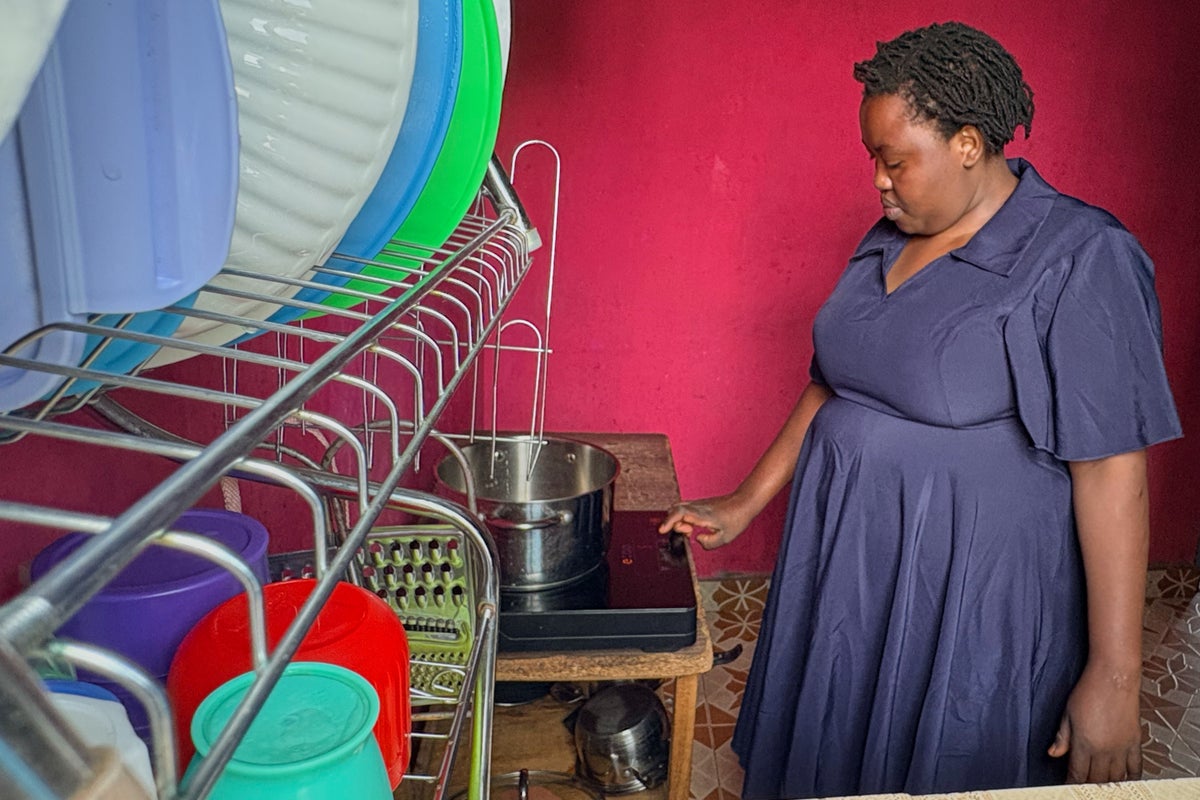
Carbon credit financing is being used to expand access to clean cooking in Africa by helping lower the upfront cost of cleaner stoves for low-income households. Multiple outlets describe carbon-related funding as a key tool to scale stove distribution and adoption, aiming to reduce reliance on traditional fuels such as wood, charcoal, and other polluting options.
The reporting frames the approach as a large-scale bet because it links climate outcomes with consumer affordability. While the outlets agree on the central role of carbon credits in financing clean cooking expansion, they differ mainly in emphasis: one highlights the scale of the transition for households and the affordability impact, while other coverage focuses on the broader significance of carbon credit financing for the continent’s clean cooking market. Across sources, the core point is that carbon finance is intended to catalyze cleaner cooking technologies by bridging costs that would otherwise slow uptake.
Context for the story includes ongoing efforts across African countries to improve household energy access while meeting emissions-reduction goals. The differing angles largely reflect how each outlet foregrounds the mechanism—carbon credits—and how that mechanism translates into stove affordability and adoption at the household level.