


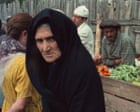
Sergei Loznitsa’s documentary-style collage, “Imperium,” presents nearly three hours of footage shot in the early 1970s by an Italian television film crew traveling across the USSR. The film compiles scenes ranging from urban routines to village gatherings, including glimpses of everyday work and regional life from parts of the Soviet Union that Western audiences often viewed in more uniform terms.
Across coverage, outlets describe the project as an archive compilation that focuses on ambient observation rather than direct exposition. “Imperium” is built from material filmed between 1970 and 1973, assembled without interviews or voiceover, and presented as a wide-ranging panorama of a vast, multicultural empire. The Guardian notes the absence of overt state institutions and emphasizes the eerie, ethnographic feel of the footage—often resembling a study of daily routines rather than an investigative depiction of the Soviet system. Variety similarly highlights the diversity of locations and the film crews’ attempt to capture the USSR’s breadth. Both accounts frame the work as a rediscovery of historical visual records rather than a new report on political events.


