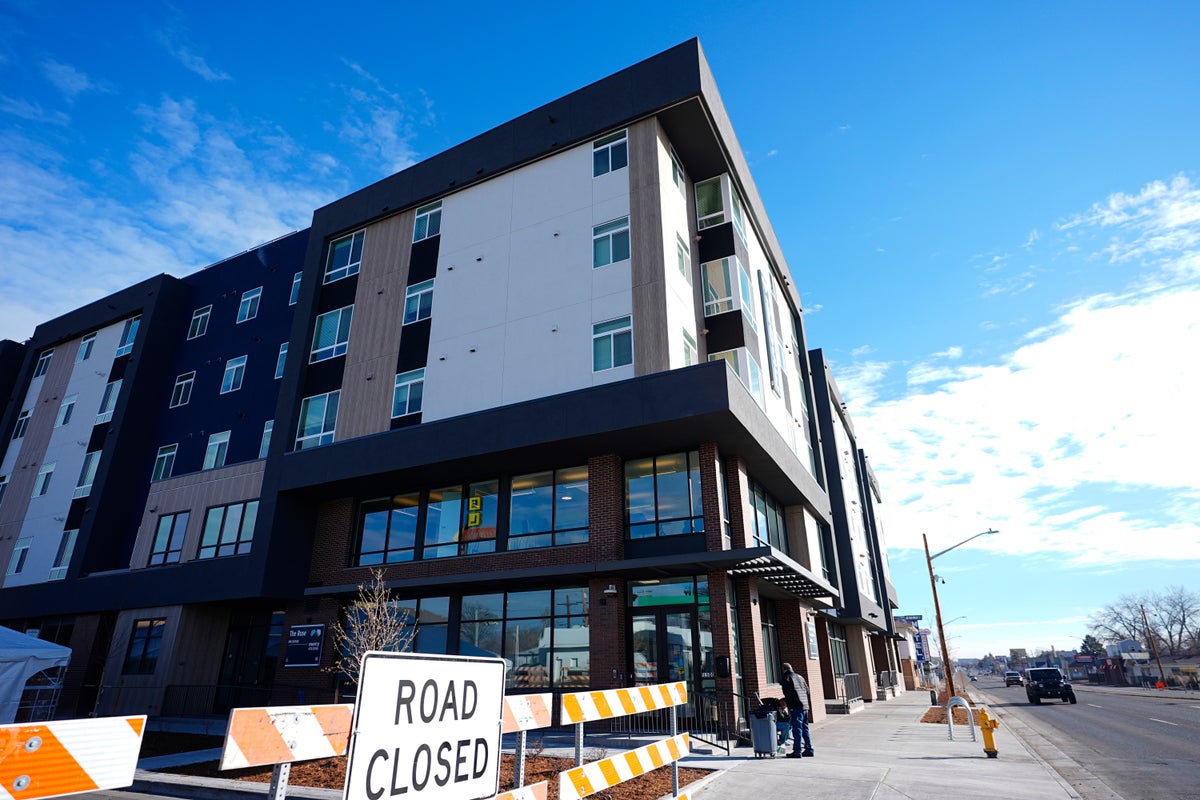
The poorest people in the United States are facing the steepest difficulty finding affordable housing, even as some low-income units reportedly sit empty. Reports from different outlets describe a mismatch between where assistance and available units exist and where demand is most intense among low-income households.
Both sources frame the issue as a shortage that is most severe at the very bottom of the income distribution. They also point to the persistence of vacancies in certain low-income housing categories, suggesting that factors such as unit availability in specific areas, eligibility rules, and the practical barriers that prevent people from accessing units can contribute to continued unmet need.
While the articles agree on the broad problem—insufficient access to housing for the poorest Americans alongside vacancies in lower-income units—the tone and emphasis differ. One outlet focuses on the inability of the poorest households to secure homes, while another highlights the “acute” nature of the shortage and underscores that vacancies do not automatically translate into access for those in greatest need. Neither source attributes the situation to a single cause, instead presenting it as a structural challenge in the affordable housing system.