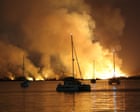
Severe heatwaves and widespread wildfires are worsening air quality and setting back recent improvements, according to a new United Nations report. The World Meteorological Organization (WMO) finds that extreme weather events increasingly disrupt progress made in reducing emissions.
The report links the problem to “climatic feedback” effects. In areas where pollution had dropped from vehicles and industrial sources, air quality declines as communities are exposed to smoke from wildfires. Separately, higher temperatures during heatwaves drive conditions that increase ground-level ozone, a harmful air pollutant.
Both outlets describe the health implications of these trends, emphasizing that extreme weather can rapidly change local air composition even when emissions are falling. The coverage aligns on the main conclusion: climate-driven extremes are directly affecting air quality, reducing the benefits of emission controls. The sources do not present a dispute on causation, but they focus collectively on the mechanisms—wildfire smoke and heat-driven ozone—through which the setbacks occur.