


Multiple Australian outlets report new findings of microscopic evidence for complex life in rocks from about 1.7 billion years ago. The reports describe the organisms as some of the oldest known representatives of complex life, based on their presence in ancient geological materials. The articles characterize the discovery as significant for understanding early biological evolution, noting that these forms are considered “ancestors” to later multicellular life. They also frame the broader implication as a link between early complex organisms and the emergence of multicellular life in subsequent eras. The coverage across sources focuses on the age of the material and the interpretation that the microscopic structures represent complex life rather than simpler organisms. While the articles use similar language about the organisms’ importance, they consistently present the claim as evidence derived from the Australian rock record and emphasize its relevance to the timeline of life’s complexity. The reports do not indicate conflicting conclusions among outlets, and all summarize the finding as extending the known history of complex life on Earth.
Australian rocks yield evidence of complex life dating to 1.7 billion years ago
Multiple Australian outlets report new findings of microscopic evidence for complex life in rocks from about 1.7 billion years ago. The reports describe the organisms as some of the oldest known repre...
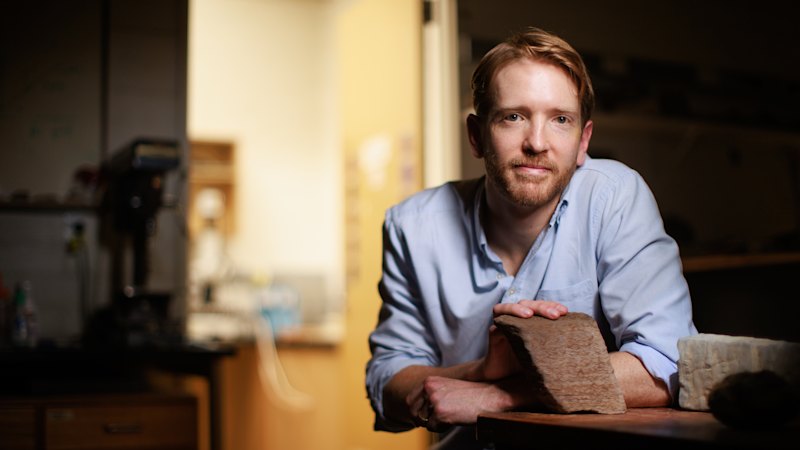
- Microfossil evidence is reported from Australian rocks dated to about 1.7 billion years ago.
- The organisms are described as microscopic and among the oldest known complex life forms.
- The findings are interpreted as evidence for early complex organisms, not just simple life.
- The reports say the organisms are linked to later multicellular life and its eventual diversity.
- All outlets describe the discovery as significant for understanding when complex life emerges in Earth’s history.
The microscopic 1.7-billion-year-old creatures are among our oldest ancestors; pioneers which gave rise to all multicellular life from toadstools to trees and toucans.
3 months agoThe microscopic 1.7-billion-year-old creatures are among our oldest ancestors; pioneers which gave rise to all multicellular life from toadstools to trees and toucans.
3 months agoThe microscopic 1.7-billion-year-old creatures are among our oldest ancestors; pioneers which gave rise to all multicellular life from toadstools to trees and toucans.
3 months ago
Russian SVR chief confirms Moscow meeting with CIA director Ratcliffe
Russian Foreign Intelligence Service (SVR) head Sergei Naryshkin confirms that he meets CIA Director John Ratcliffe in M...

Iran nears Oman shipping deal as US-Iran standoff over Hormuz talks continues
Iran says a framework agreement with Oman for new, temporary shipping arrangements in the Strait of Hormuz is close to c...
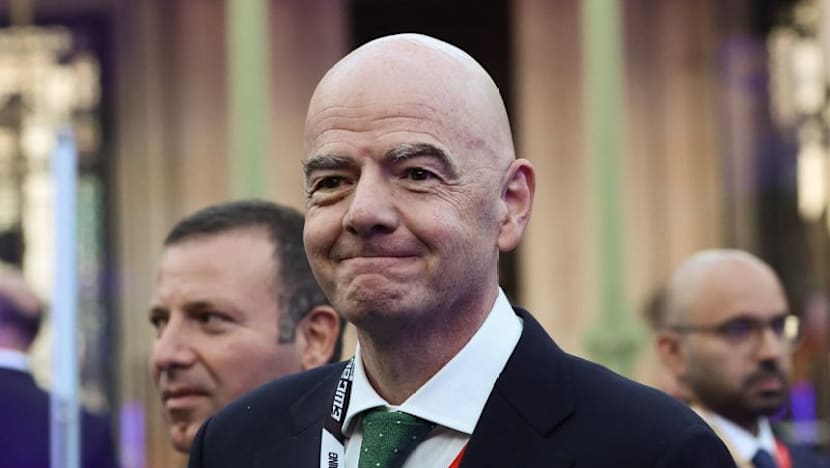
European Leagues chief says Gianni Infantino has no future as FIFA president
European Leagues president Claudius Schaefer says Gianni Infantino has no future at FIFA and should not continue as its...