


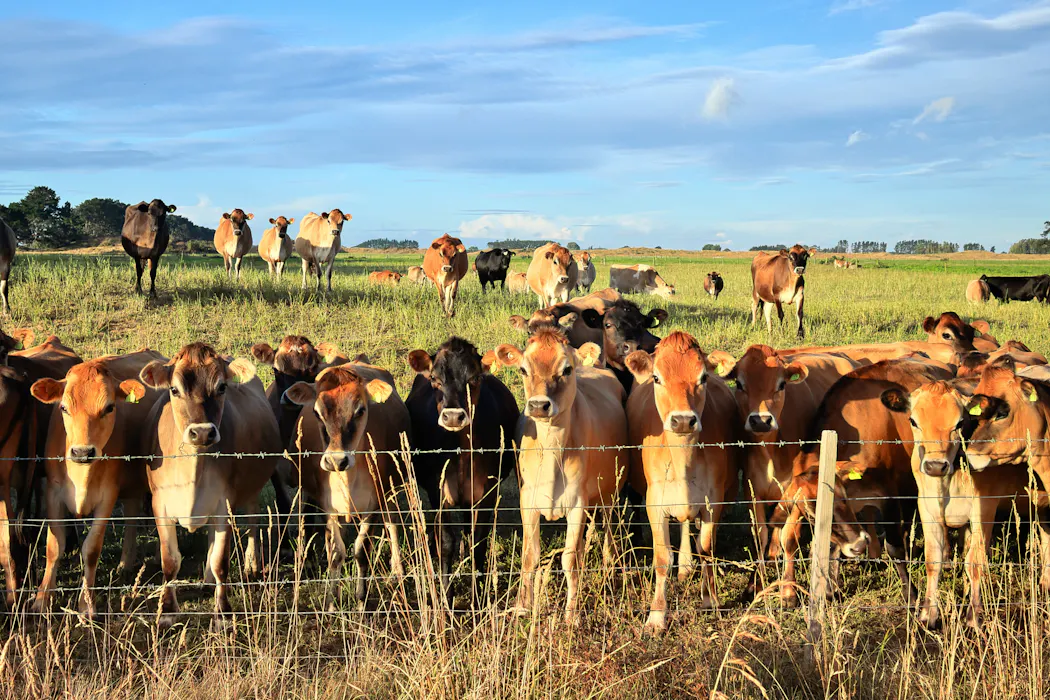
Researchers report that how farm animals are fed may have downstream effects on human health, particularly regarding diet-related chronic diseases. They cite links between common chronic conditions—such as obesity, cardiovascular disease, type 2 diabetes, and some cancers—and dietary patterns characterized by high calories, heavy processing, and limited nutritional diversity.
The reporting emphasizes that prevention efforts need to consider not only individual consumer choices but also the broader food system that shapes what ends up on people’s plates. The Conversation frames this as a need to look beyond behavior change and address factors involved in food production. Phys.org highlights the specific disease categories associated with poorer-quality diets and notes that these patterns are tied to the nutritional characteristics of what people eat.
Across the outlets, the shared focus is on prevention and the nutritional quality of food, with animal feed presented as one possible lever in improving outcomes. Differences are mainly in emphasis: one outlet foregrounds the public-health framing, while the other centers on the disease and diet links that motivate the research question.


