


Montenegro marks two decades since a 2006 referendum paved the way for its secession from the state union with Serbia, with anniversary events planned for May 21. Coverage across outlets portrays the country as one of the Western Balkans’ more advanced aspirants for European Union membership, often described as a “high achiever” in the EU accession process. At the same time, the reporting highlights ongoing challenges that continue to affect Montenegro’s international standing. Sources point to persistent concerns about corruption and governance, as well as unresolved internal divisions within the country. The articles also emphasize Montenegro’s close political and historical ties with Serbia, noting that Serbian influence remains a factor in Montenegro’s domestic and political environment. Taken together, the anniversary framing is largely defined by Montenegro’s pursuit of EU integration alongside lingering obstacles that, despite progress, are not portrayed as fully resolved. The pieces do not suggest a single cause for the pace of accession, but they consistently present the same mix of progress toward EU membership and continued political and institutional difficulties at home.
Montenegro marks 20 years since independence vote amid EU push and Serbia ties
Montenegro marks two decades since a 2006 referendum paved the way for its secession from the state union with Serbia, with anniversary events planned for May 21. Coverage across outlets portrays the...

- Montenegro marks the 20th anniversary of its 2006 referendum that led to secession from the state union with Serbia.
- Anniversary events are scheduled for May 21.
- Sources describe Montenegro as relatively advanced in the EU accession process compared with some regional peers.
- Reports cite ongoing concerns about corruption and governance.
- Reporting highlights continued unresolved divisions in Montenegro and ongoing political influence or ties linked to Serbia.
On May 21, Montenegro will mark two decades since the historic referendum that paved the way for its secession from its state union with Serbia. The anniversary celebrations will take place in an atmosphere shaped by the country’s reputation as the Western Balkans’ “high achiever” in the EU accession process. Over the past few years, […]...Keep on reading: Montenegro at 20: EU ambitions and Serbian ties
3 months agoTwenty years after seceding from the state union with Serbia, Montenegro is seen as a Western Balkan frontrunner for EU membership but remains marked by corruption, unresolved divisions and Serbia's political influence.
3 months agoTwenty years after seceding from the state union with Serbia, Montenegro is seen as a Western Balkan frontrunner for EU membership but remains marked by corruption, unresolved divisions and Serbia's political influence.
3 months ago
Dangote Refinery cuts petrol gantry price as geopolitical tensions ease
Dangote Refinery announces a cut in its ex-gantry price for Premium Motor Spirit (petrol). Multiple outlets report the r...
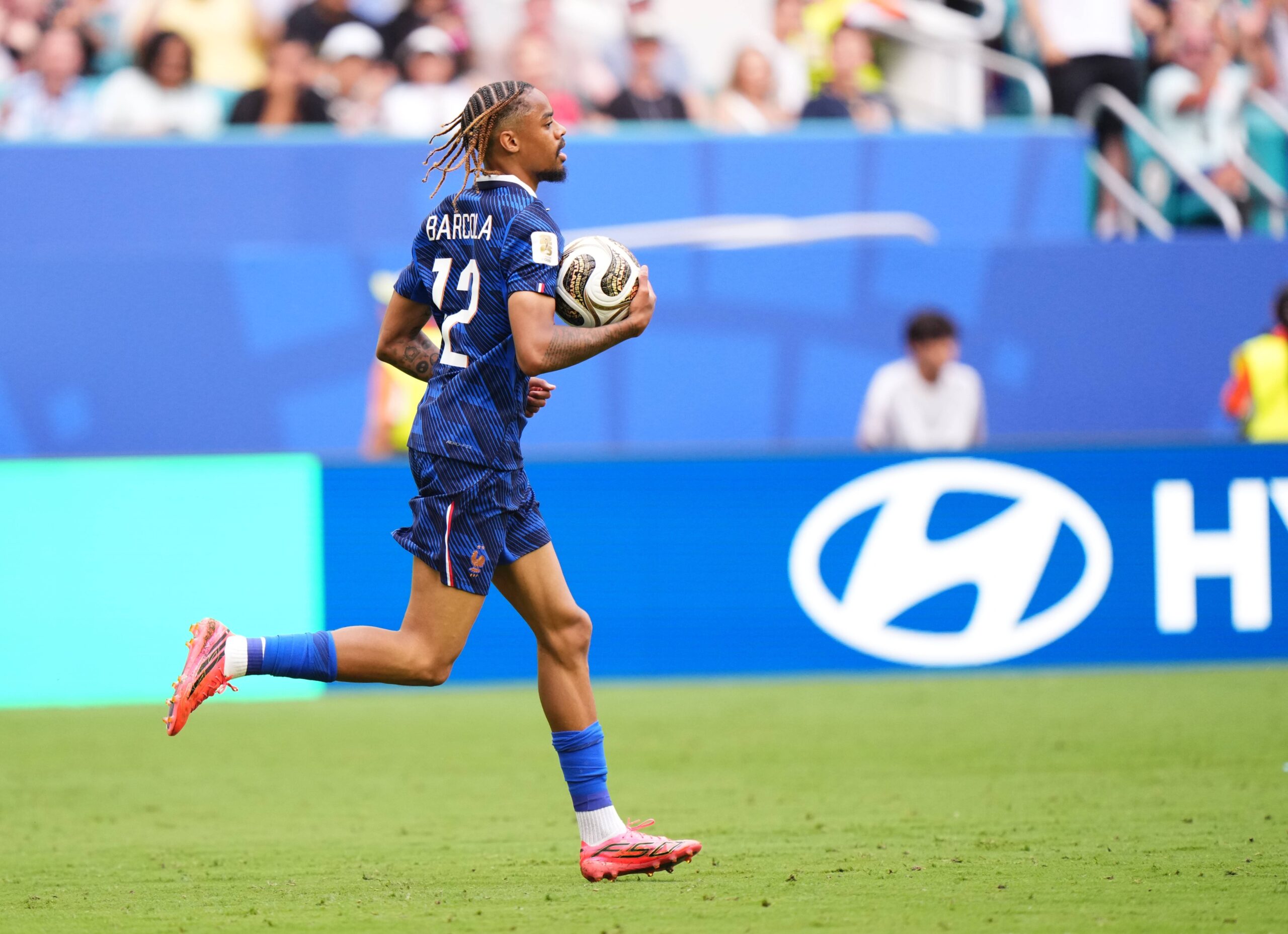
PSG chief Nasser Al-Khelaifi refuses to rule out Bradley Barcola transfer as Liverpool pursue deal
PSG president Nasser Al-Khelaifi says he will not rule out a move for winger Bradley Barcola as Liverpool pursue him in...
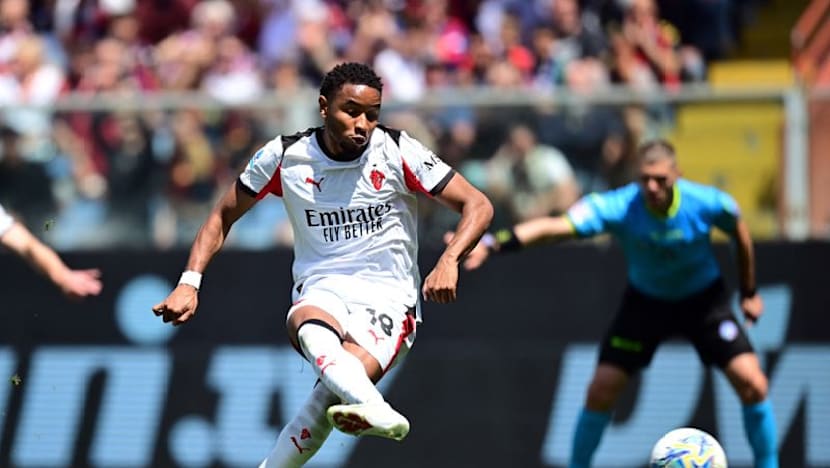
Christopher Nkunku returns to RB Leipzig on loan from AC Milan
Christopher Nkunku is set to return to RB Leipzig on loan from AC Milan, according to multiple outlets. Football Italia...