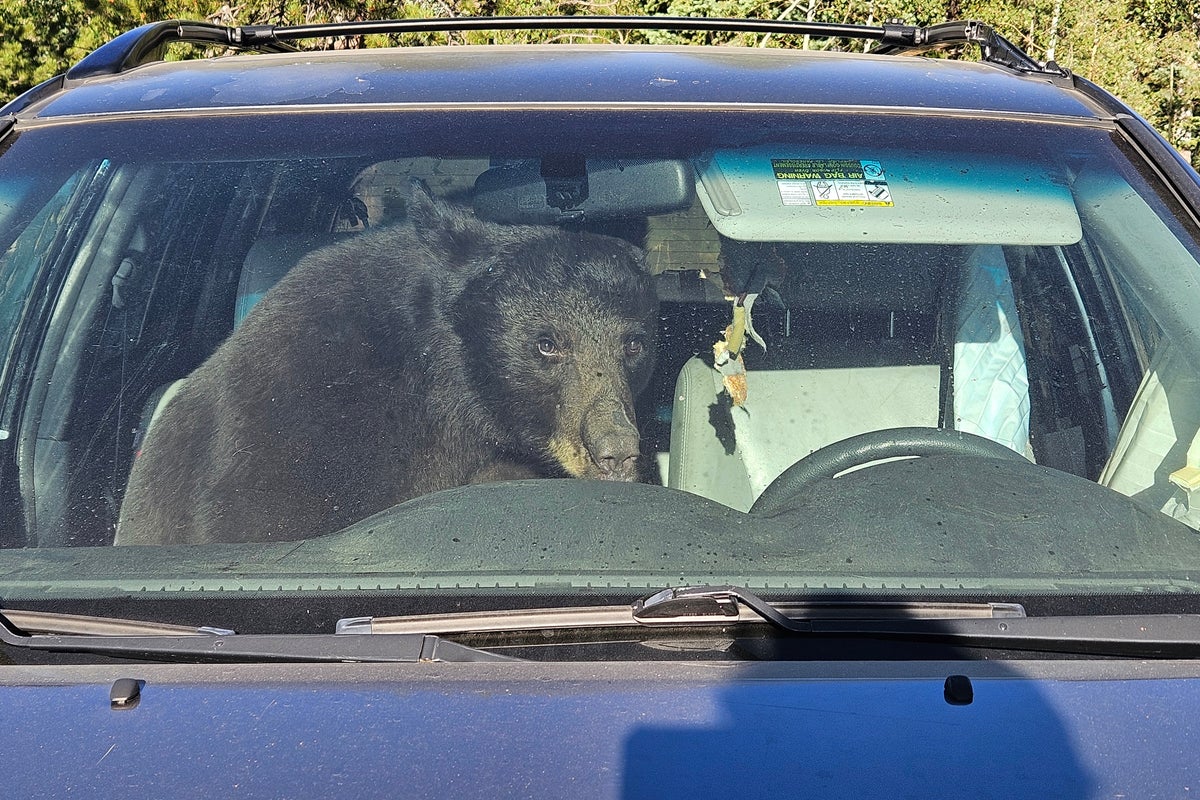
This summer, wildlife officials in the Rocky Mountain region report increased incidents involving black bears moving into urban and suburban areas, leading to more frequent confrontations with people. Outlets describe the bear activity as part of a broader pattern linked to unusually dry conditions across parts of the region.
The coverage attributes the uptick to food shortages caused by drought and parched conditions, which reduce natural foraging opportunities. As bears search for water and accessible food sources, they are more likely to enter areas near homes and businesses, increasing the chance of encounters. Both reports emphasize the need for public awareness as the season continues.
While both sources focus on the same overall causes and outcomes, they differ in framing: one centers on the scale of “far more trouble than usual” and the confrontations occurring in urban settings, while the other highlights the drought’s role in pushing bears into human-dominated areas. Neither outlet provides detailed case-by-case statistics in the provided excerpts, but both point to drought conditions as the primary driver of the change in bear behavior.