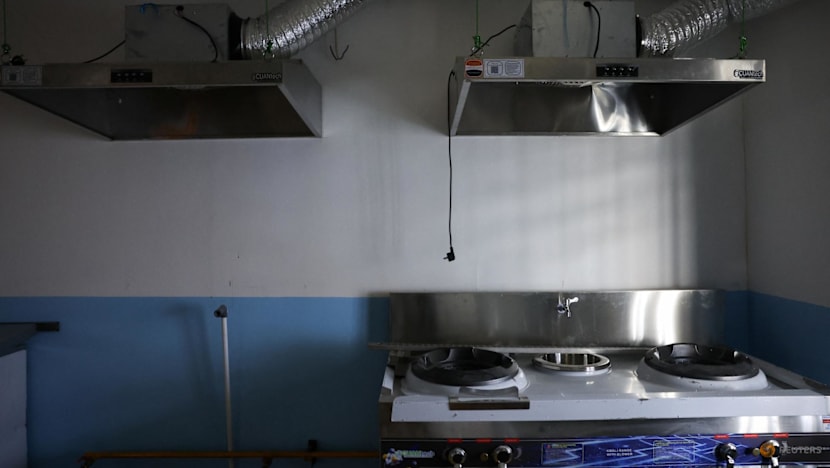
Indonesia suspends nearly 2,000 “free meal kitchens” after inspections find breaches of sanitation rules. The action targets kitchens that provide low-cost or free food to the public, with authorities citing hygiene failures as the reason for the suspensions.
The suspension is part of wider public health enforcement aimed at reducing foodborne risks. Different outlets focus on the scale and the enforcement mechanism, including how authorities conduct inspections and require kitchens to meet sanitation standards before resuming operations. Some reporting also highlights the administrative nature of the measure, rather than criminal charges, indicating kitchens may be allowed to restart after compliance checks.
While the core facts are consistent across coverage—namely the number of kitchens suspended and the stated sanitation rationale—outlets vary in emphasis. Some foreground the inspection findings and the potential public health impact, while others concentrate on government oversight and the steps kitchens must take to rectify non-compliance. Overall, reporting points to ongoing monitoring of food service operators under hygiene regulations.