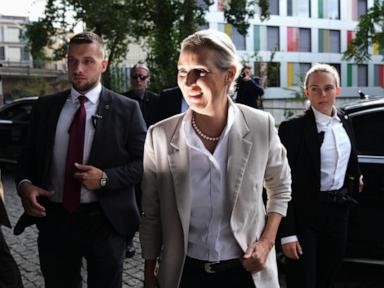
A far-right party’s victory in a German state election is prompting alarm across Europe about the movement’s growing influence. Outlets describe the result as part of a broader pattern of right-wing extremist and far-right support showing in elections across the continent.
However, sources also emphasize that the shift is not uniform or guaranteed. They note that far-right success varies by region and election, and that progress is not portrayed as a steady, uninterrupted trend. Instead, the reporting highlights the influence of local political conditions, campaign dynamics, and voter concerns that can change from one vote to the next.
Taken together, the coverage frames the German result as a significant data point within Europe’s wider political landscape, while stopping short of portraying it as a continuous march. The immediate focus is on what the outcome signals for future elections and how governments and institutions respond to rising far-right visibility.