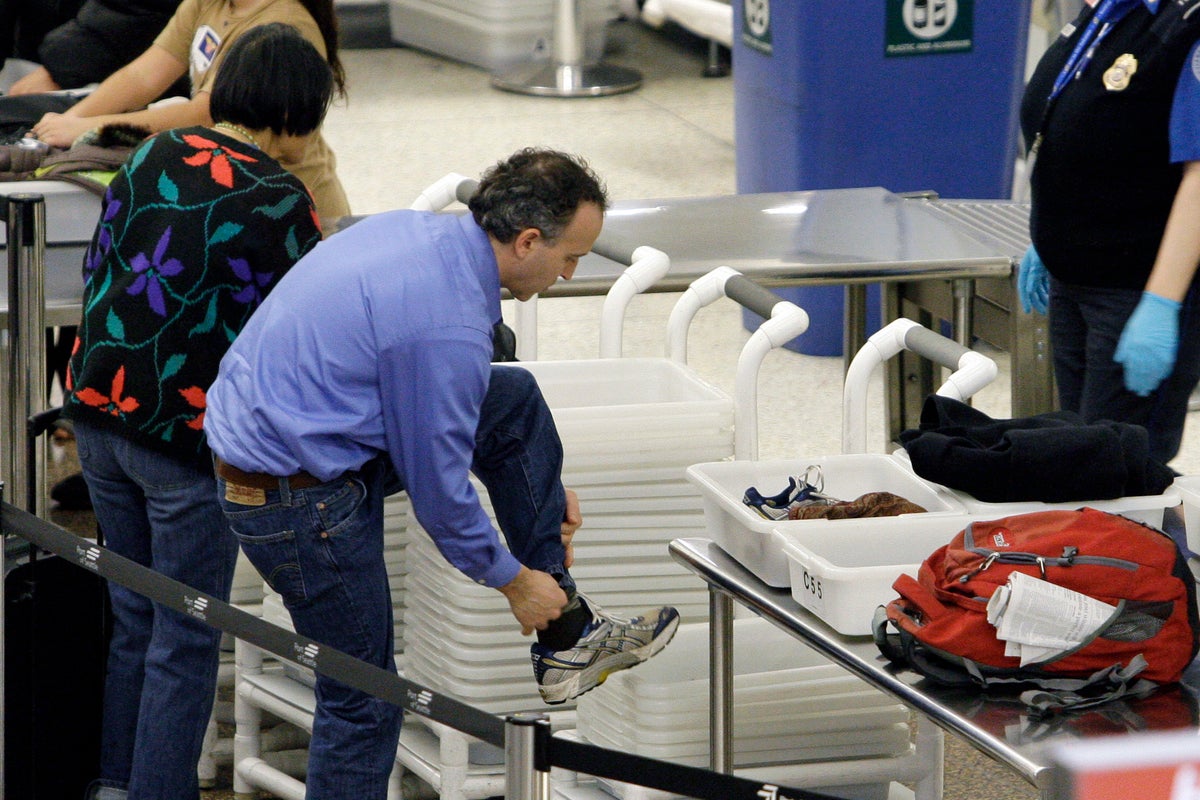
U.S. air travel security develops over time as specific incidents expose vulnerabilities and push changes in screening and procedures. Multiple historical attacks, including the Lockerbie bombing and the September 11 attacks, are repeatedly cited as turning points that lead to new layers of protection for passengers and aircraft.
In this view, the security system travelers encounter today is not built at once but is assembled through successive policy and operational updates. Outlets describe how each attack or attempted attack prompts investigations and adjustments, affecting what happens at airports before boarding and how threats are handled in transit and during screening.
While the sources focus on the same overall timeline and theme, they differ in emphasis and framing. One outlet uses the Lockerbie bombing and 9/11 as examples of how aviation security evolves in response to specific failures, while another centers on the broader lesson that major attacks drive incremental tightening of standards. Overall, they agree that modern screening and related rules are shaped by past attempts to attack or compromise airliners.