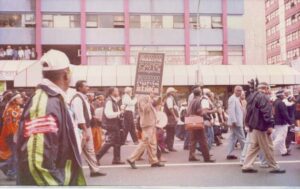
In 2001, the UN’s third World Conference Against Racism, Racial Discrimination, Xenophobia and Related Intolerance convenes in Durban, South Africa, bringing together about 7,000 representatives from governments and civil society across 170 countries. Sources describe the meeting as a watershed moment for efforts to confront racism worldwide.
According to coverage, the conference led by countries in the Global South challenges the view that human rights are a Western concept and links contemporary racism to historical patterns, including colonialism and slavery. The United States and Israel reportedly withdraw from the conference, while delegates still adopt the Durban Declaration and Programme of Action, which later become foundational documents for global anti-racism work.
On the anniversary, outlets agree that racism and xenophobia persist. One source emphasizes the need to translate the Durban Programme of Action into clear, concrete state actions, while also highlighting the longer-term role of solidarity and resistance work discussed by activists. Both portray the documents as guiding frameworks, while underscoring that implementation remains incomplete and ongoing.