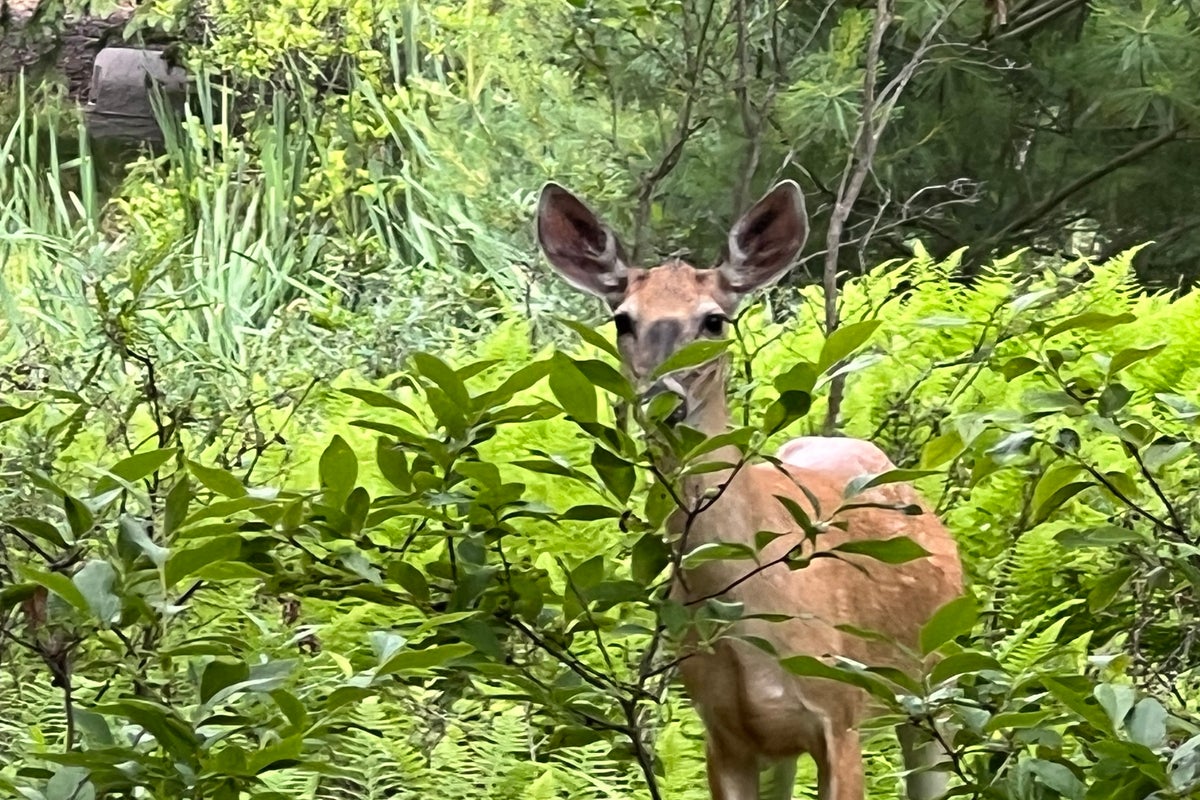
Multiple outlets report that some spring-flowering bulbs have evolved physical or chemical traits that make them less desirable to animals that would otherwise eat them. The articles explain that these adaptations can reduce browsing pressure in gardens, offering a practical way for gardeners to protect plants during vulnerable seasons.
The coverage focuses on how gardeners can use this natural “avoidance” to their advantage, such as by choosing bulb types known to be unpalatable to common pests. While the sources share the same core message, they mainly differ in emphasis: one outlet frames the topic around the evolutionary explanation for the plants’ defenses, while others focus more on the gardening takeaway and selection of suitable bulbs for seasonal planting.
Overall, the reporting centers on the idea that not all bulbs are equally likely to be eaten, and that gardeners can reduce damage by selecting species or varieties with established deterrent properties. The guidance is presented as a general, non-weaponized approach that relies on plant biology rather than active control methods.