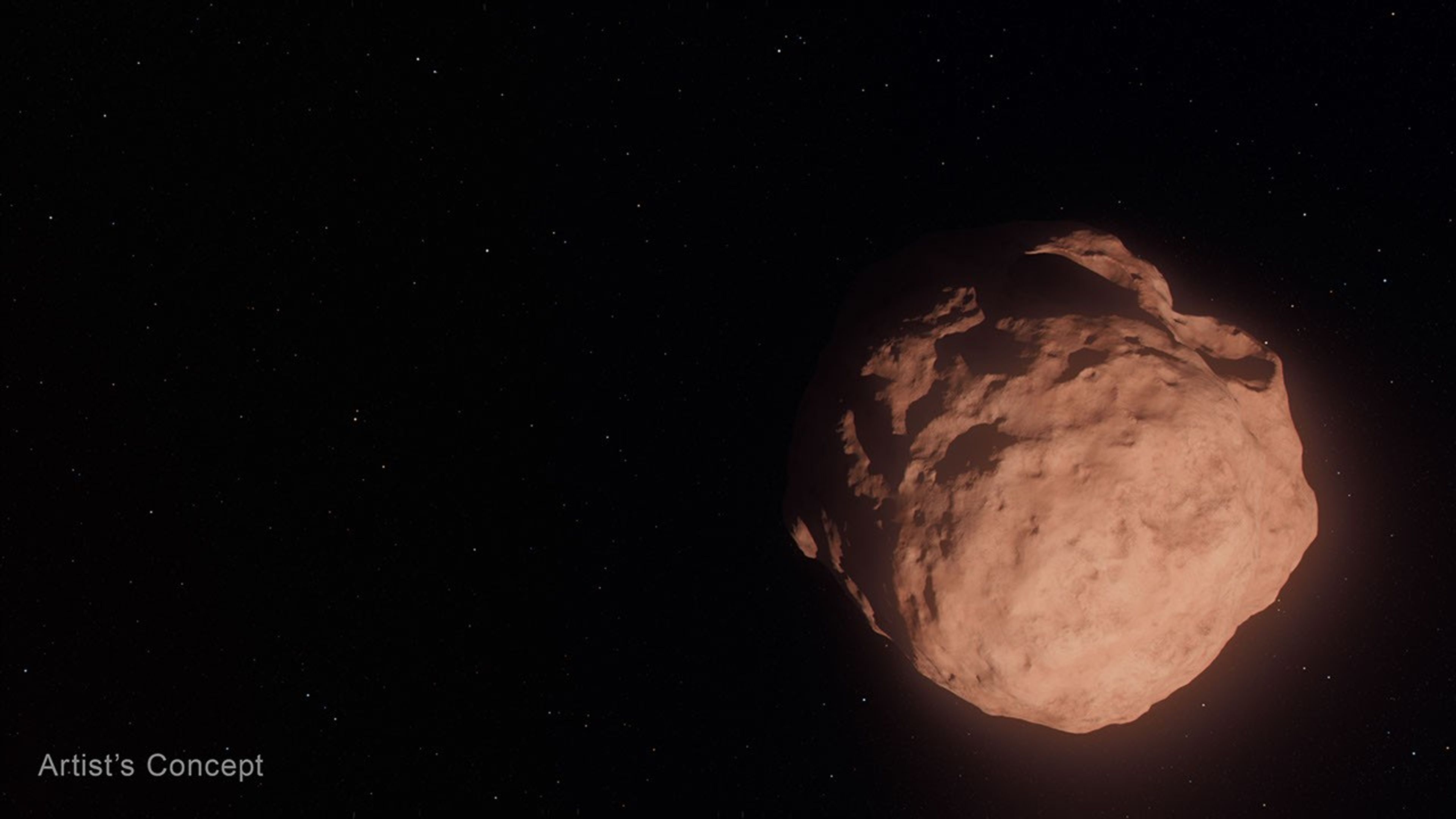
NASA reports that scientists use both the Hubble Space Telescope and the James Webb Space Telescope for the first time to study distant Solar System bodies known as trans-Neptunian objects (TNOs). The observations target some of the smallest and faintest TNOs ever directly detected, using the combined capabilities of the two observatories.
The researchers find that the number of small TNOs is lower than expected. They also report that the colors of the detected objects follow the same relationships seen among larger members of the TNO population. NASA and Phys.org both frame the results as evidence that these far-out bodies retain characteristics linked to earlier stages of the Solar System.
Across the two sources, the emphasis is on what the joint observing campaign enables—direct measurements at extreme distances—and on two main outcomes: an unexpectedly small count of small TNOs and color patterns consistent with those of larger TNOs. Both outlets describe the findings as unexpected and as offering a window into how these outer objects formed and evolved.