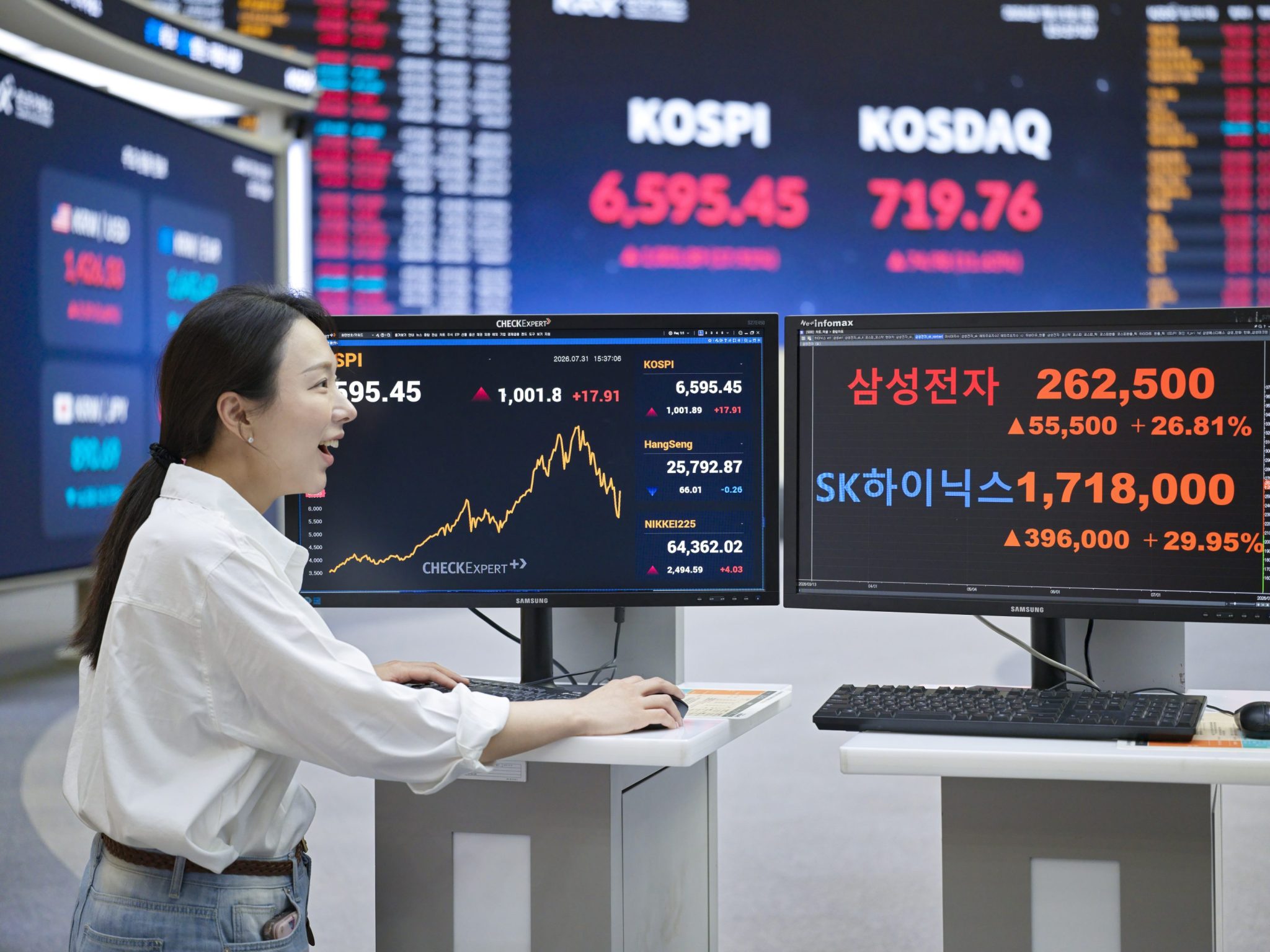
Companies including Nike and Starbucks see an initial boost in their share prices as the easing of Trump-era global tariffs provides some relief. The market reaction is described as short-lived for several firms that were heavily affected by the original tariff actions, often referred to in coverage as “Liberation Day,” when shares fell sharply.
Across outlets, the core context is that tariff measures had increased costs and uncertainty for U.S. manufacturers and retailers with international supply chains, contributing to major market declines. While the announcement or implementation of tariff relief is framed as long-awaited, Bloomberg and The Japan Times emphasize that the gains in stocks do not erase the magnitude of earlier losses. Coverage characterizes the “relief” as fleeting, highlighting differences in how companies are positioned to benefit—depending on their exposure to tariffed inputs and consumer demand—rather than a uniform rebound for all affected sectors.