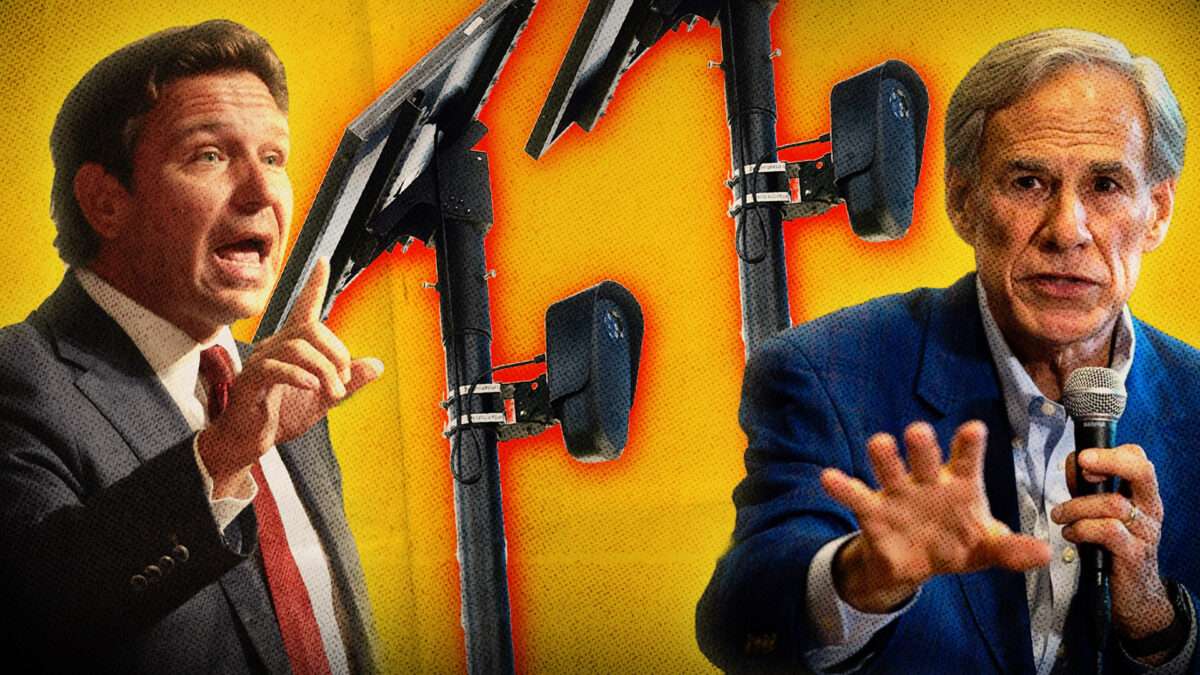
Several conservative Republican figures, including Texas Gov. Greg Abbott and Florida Gov. Ron DeSantis, are voicing concerns about the use of license plate camera networks that collect location and identification data without warrants. Their comments reflect a broader backlash among parts of the party against surveillance practices that operate without individualized judicial approval.
While the reporting focuses on political skepticism, the issue centers on how long license plate data is stored, who can access it, and what legal standards govern its collection and use. Some supporters of camera programs argue they help law enforcement track suspects and solve crimes, often through automated systems operating at scale. Critics counter that routine capture of vehicle movements can amount to warrantless monitoring of the public and raises privacy and constitutional questions.
Different outlets frame the debate through varying lenses—privacy and constitutional limits versus public-safety effectiveness—but the underlying points of contention are consistent: the legality of warrantless collection, data retention and access, and oversight. The comments from Abbott and DeSantis are presented as part of that wider, emerging political and legal dispute.