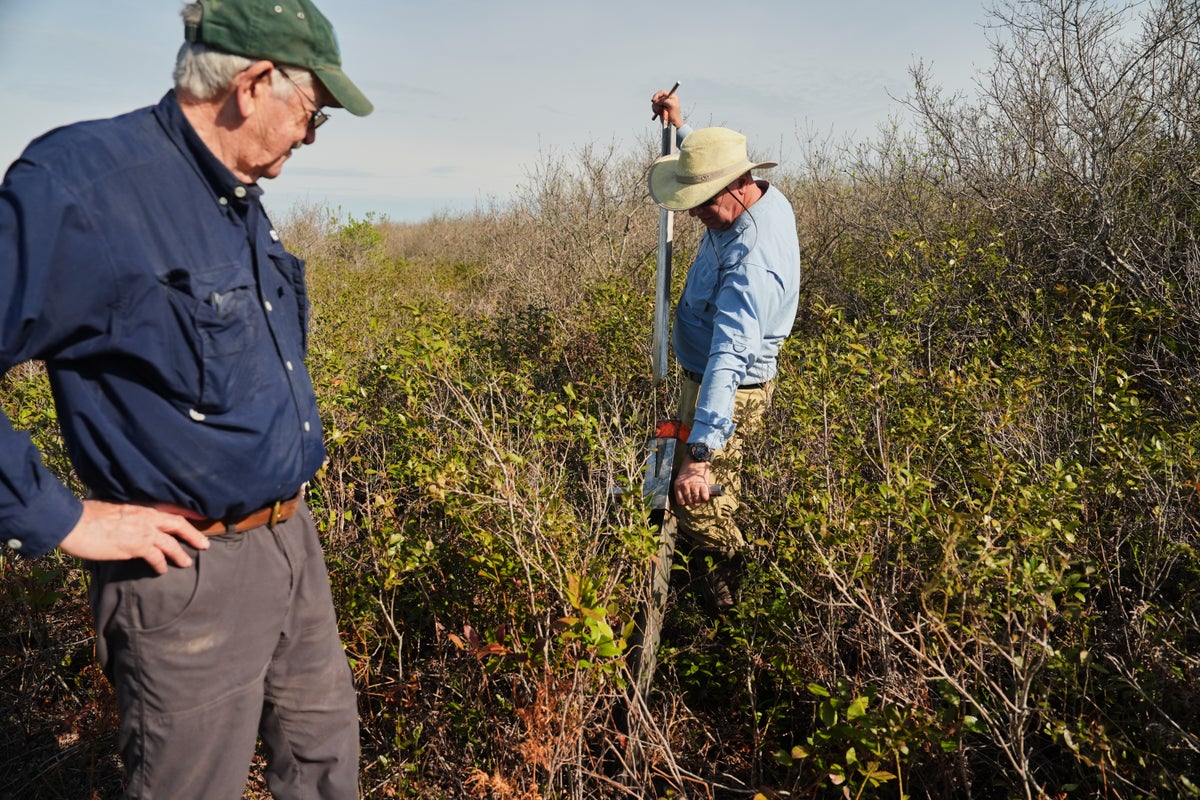
Scientists and investors are working to restore a 23-square-mile tract of peatland in North Carolina, aiming to prevent it from drying out or being degraded further. The effort focuses on reversing damage that increases the peatland’s vulnerability to loss of moisture, while improving conditions for native habitat and reducing climate-warming emissions linked to peat degradation.
The outlets describe the project as time-sensitive, with restoration needed before the peatland’s ecological function declines. The reporting emphasizes both climate and conservation goals, framing peat restoration as a way to keep carbon-rich wetlands from releasing more greenhouse gases. While the coverage highlights different motivations—such as investment involvement and the urgency of protecting remaining peatland—both sources focus on the same central action: accelerating restoration work to safeguard the site’s environmental value.