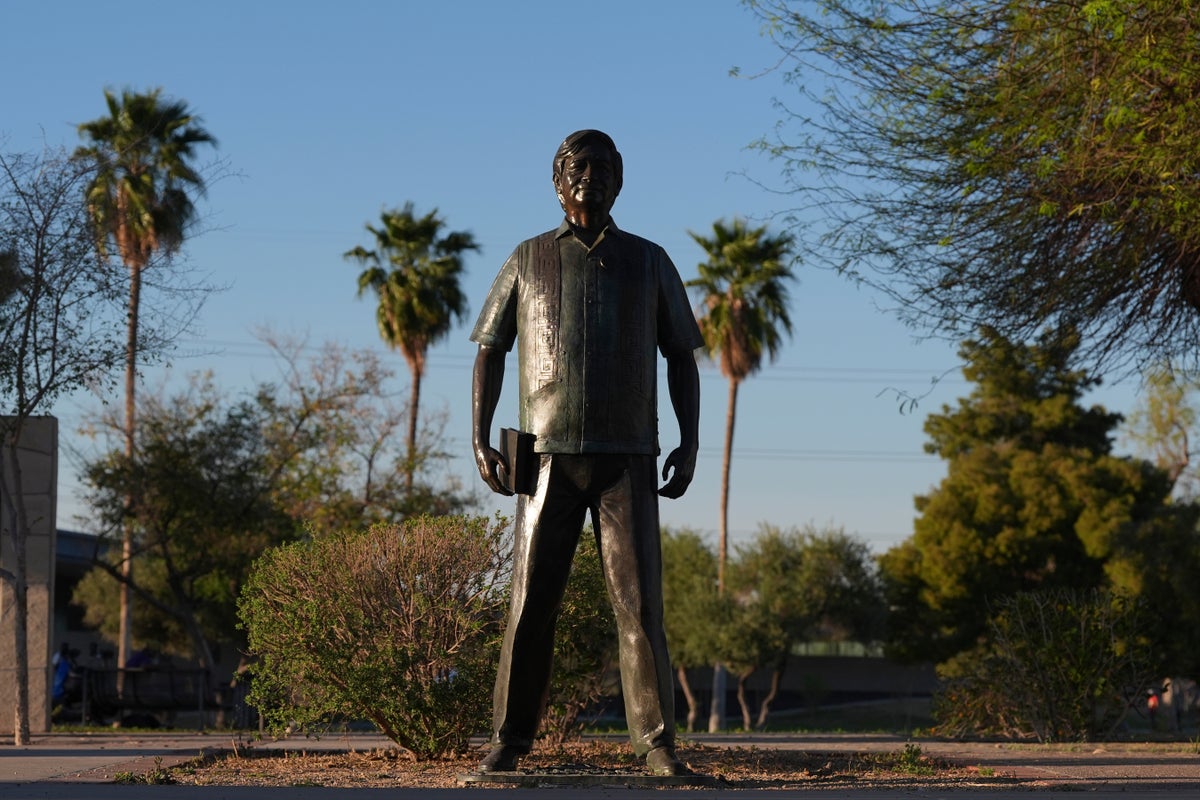
A former volunteer sues nonprofit organizations associated with labor leader César Chávez, alleging they failed to prevent sexual abuse by Chávez. The plaintiff says the abuse occurred decades ago and argues that the nonprofits are responsible for not taking action during the period when concerns should have been raised or addressed.
The lawsuit is presented as part of a broader reckoning over allegations of misconduct involving prominent historical figures. Reporting across outlets centers on the plaintiff’s claim that the organizations’ oversight and safeguarding measures were inadequate. While details of the alleged timeline, the legal theories invoked, and the specific defendants named can vary by outlet, both reports describe the same core allegation: the nonprofits affiliated with Chávez did not stop the conduct, despite knowledge or circumstances that should have prompted intervention.
Both sources characterize the case as a civil suit filed by a person who says she was abused by Chávez. They also frame the controversy within ongoing legal and public debates about accountability, institutional responsibility, and how organizations respond to allegations—particularly when they involve long-past conduct and leadership power.