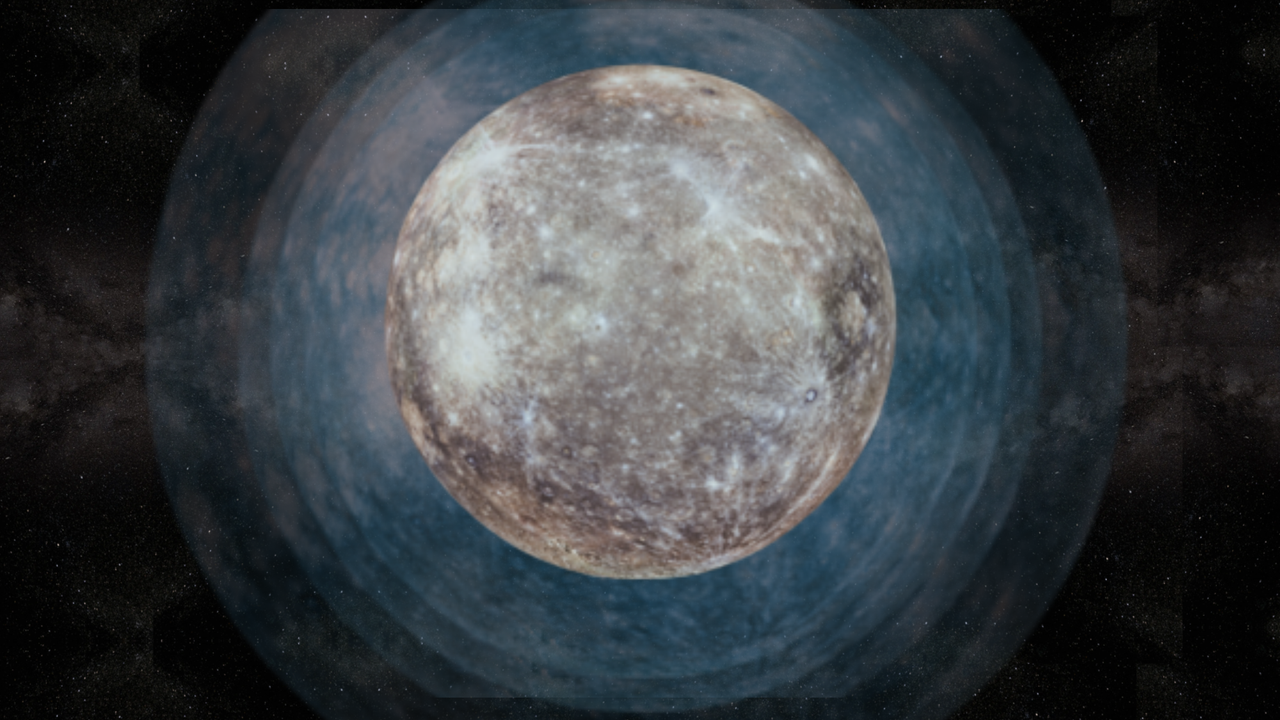
Mercury’s surface shows extensive wrinkles that indicate the planet is shrinking as its interior cools and contracts. A new study concludes that Mercury’s contraction is larger than earlier estimates, suggesting the planet lost additional size over geologic time.
Across reports, researchers say the total diameter reduction is likely about 10% to 30% greater than previously thought, corresponding to roughly 19 kilometers (nearly 12 miles) of extra diameter loss since Mercury formed. One explanation highlighted in the reporting is that debris and material associated with impact craters can hide or complicate the surface evidence that researchers use to measure how much the planet has shrunk. By accounting for this, scientists refine their interpretation of the wrinkle patterns and the timing of contraction.
While the outlets share the same core finding—that Mercury’s shrinking is faster or greater than expected—the emphasis differs. One focuses on how the wrinkle landscape revises the amount of contraction, and another frames the result in terms of what it implies about processes happening inside Mercury.