


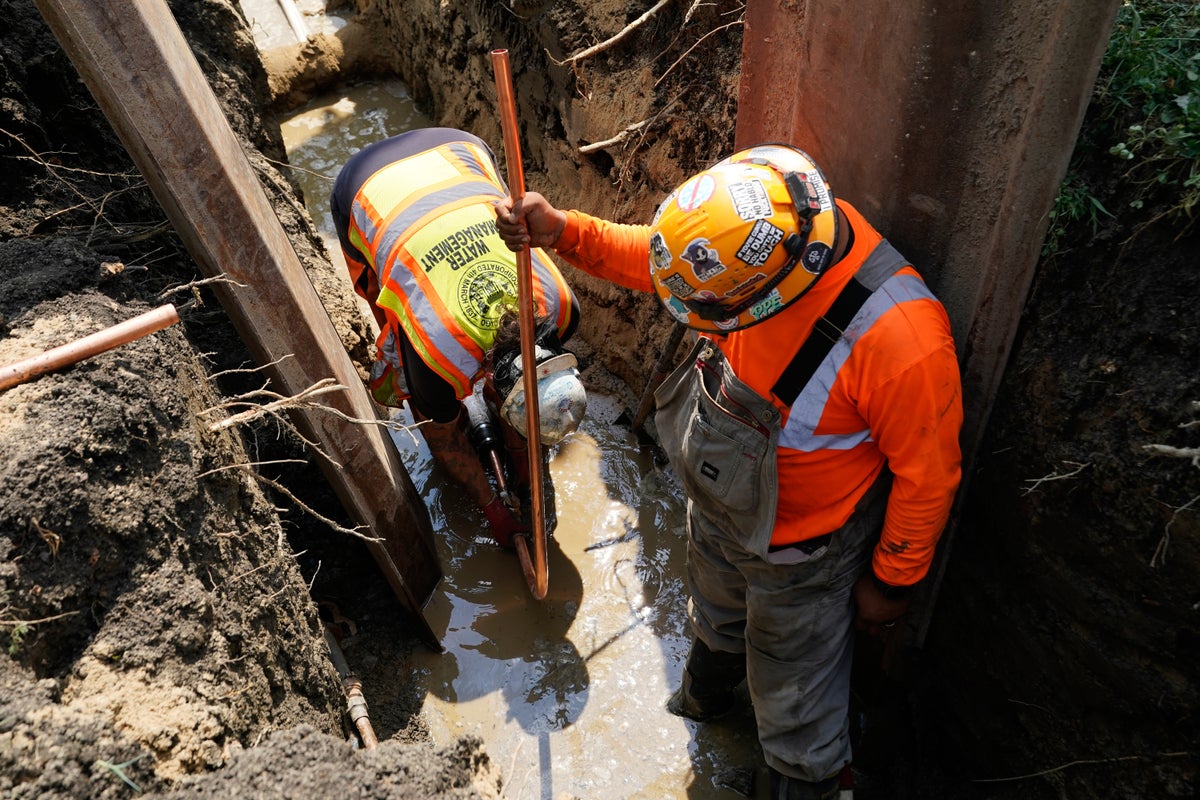
Thousands of U.S. water systems have not yet determined whether they have lead pipes that could expose residents to lead through drinking water. Reporting indicates that many systems are still missing required information on the materials used in their distribution networks and service lines, limiting their ability to assess risk and plan replacements.
The push to remove lead pipes is ongoing, but the issue is uneven across the country. Some outlets emphasize the scale of the knowledge gap and the potential health implications for communities that rely on systems without complete records. Others focus on how infrastructure aging, incomplete mapping, and gaps in inventory processes slow identification and replacement efforts. While the reporting largely agrees on the broader problem—systems not knowing where lead lines are—it differs in emphasis on how authorities are tracking progress and what timelines or enforcement mechanisms apply.
Overall, the articles describe continued uncertainty for utilities and regulators trying to ensure lead exposure is reduced, highlighting that identification of lead pipe locations is a prerequisite for effective mitigation measures.


