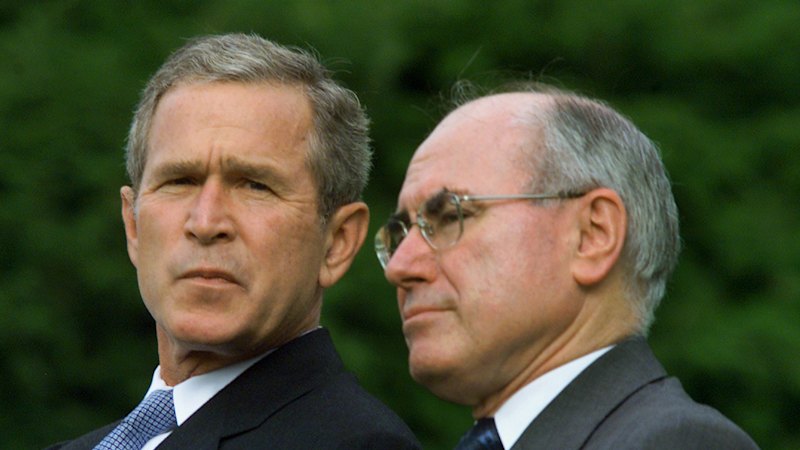
Donald Trump proposes sending Americans direct payments, but multiple reports say Congress members and economists are not enthusiastic about the plan. The proposal is framed as a way to provide relief to households, though details and timing have been a focus of discussion.
Sources note that lawmakers and analysts question how such payments would affect federal spending, inflation, and broader economic conditions. Some economists argue that one-time or broad-based payments may not target the most financially vulnerable people effectively, while others raise concerns about fiscal sustainability and the impact on government budgets. Several outlets also indicate uncertainty about how the plan would be funded and how it would align with existing budget priorities.
The differing angles across outlets center on the political and economic debate around direct payments: supporters point to immediate consumer benefit, while critics emphasize potential downsides such as inflation risk, administrative challenges, and longer-term fiscal effects. Reports collectively describe a cautious reception from both policymakers and expert commentators rather than broad agreement on the proposal’s merits.