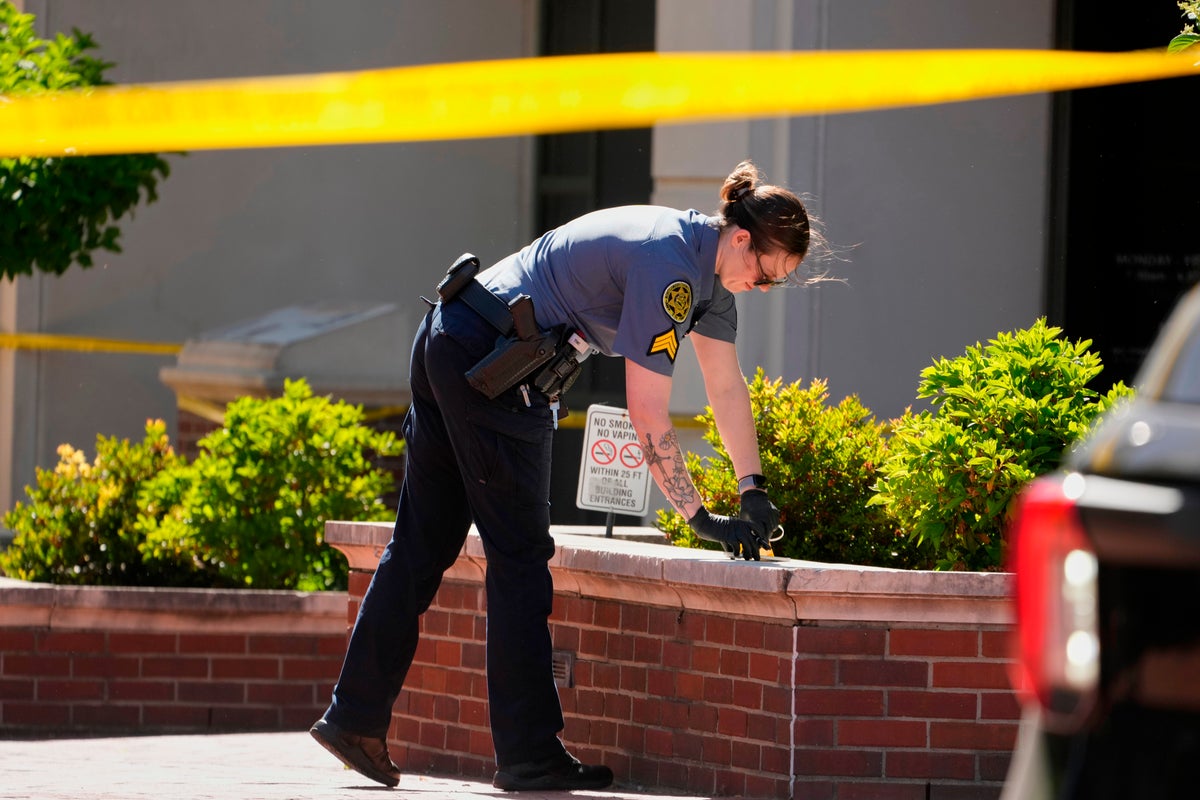
A white livestreamer accused of shooting and wounding a Black man outside a Tennessee courthouse is drawing renewed scrutiny of how far free-speech protections extend to provocative online conduct. Multiple outlets report that the incident has triggered debate over whether claims of “freedom of speech” can act as a blanket defense when a content creator intentionally provokes others and the situation escalates into violence.
According to accounts discussed by commentators and experts, the accused livestreamer has been known for posting videos that feature self-styled confrontations with people, including racist comments, and for monetizing reactions. The legal and public discussion centers on whether unwanted interactions, even if described as speech or expression, can lose protection when they contribute to harassment or when threats or physical harm follow.
The reports emphasize that the ongoing matter is focused on the alleged shooting and the surrounding pattern of conduct described by observers. The discussion continues as people assess the relationship between online provocations, hate-related content, and potential criminal liability when violence results.