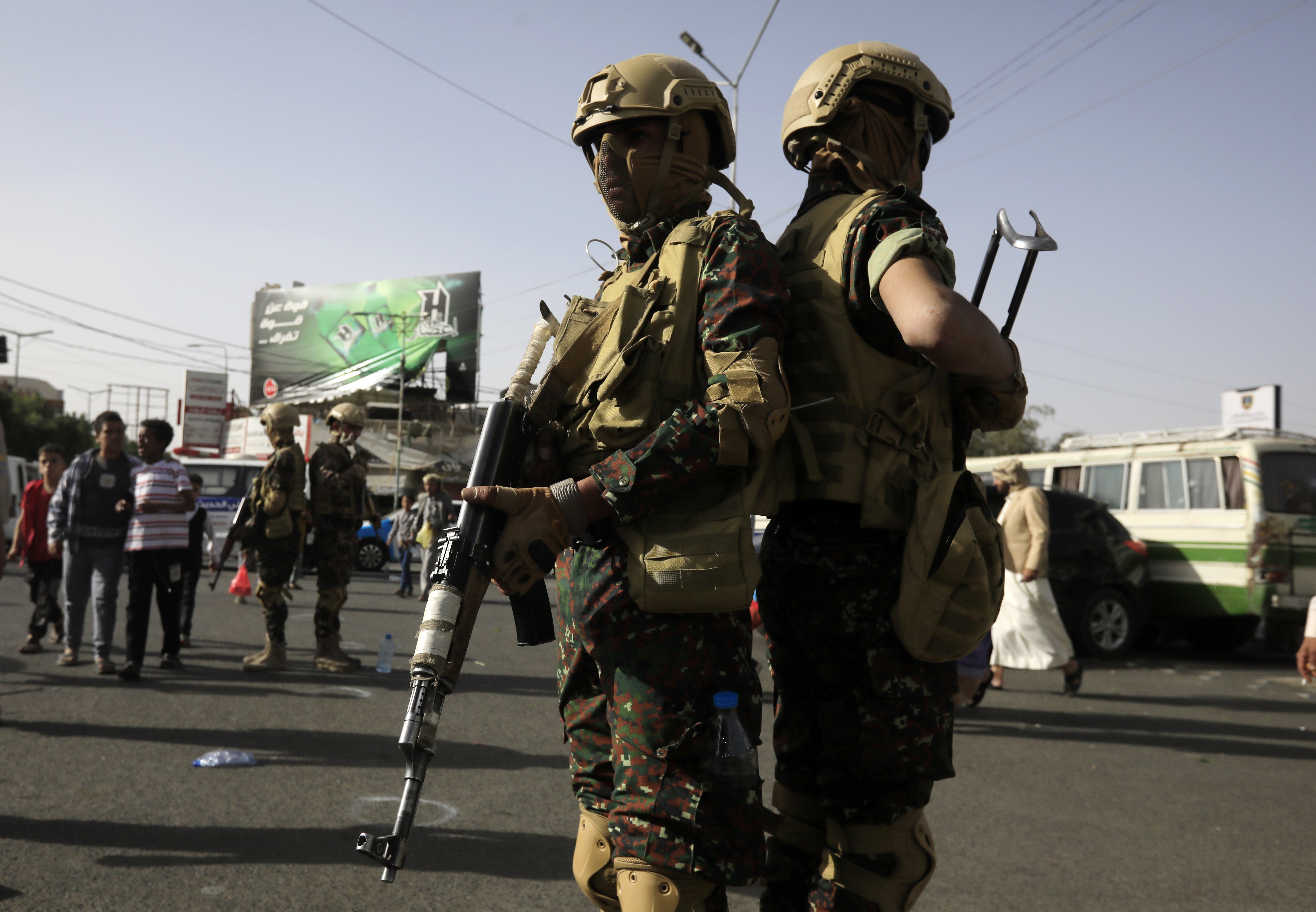
Twenty-five years after the September 11, 2001 terrorist attacks, the event continues to frame how governments, institutions and societies understand security, conflict and international relations.
Across outlets, the emphasis is on long-term change from the original attacks and the subsequent developments that follow. The pieces note that few at the time could have anticipated the world that emerges decades later, suggesting that later events—rather than the attacks alone—play a major role in how the global landscape evolves. This includes the broader trajectory of policy responses and geopolitical shifts that accumulate over time, influencing everyday life, governance and international engagement.
While the titles focus on how September 11 “changed the world,” all sources converge on a similar context: the present-day world reflects not only the immediate consequences of 2001, but also the further transformations that occur in the 25 years since. The outlets differ mainly in framing rather than reported specifics, using a reflective lens to connect the attacks to longer-term outcomes.