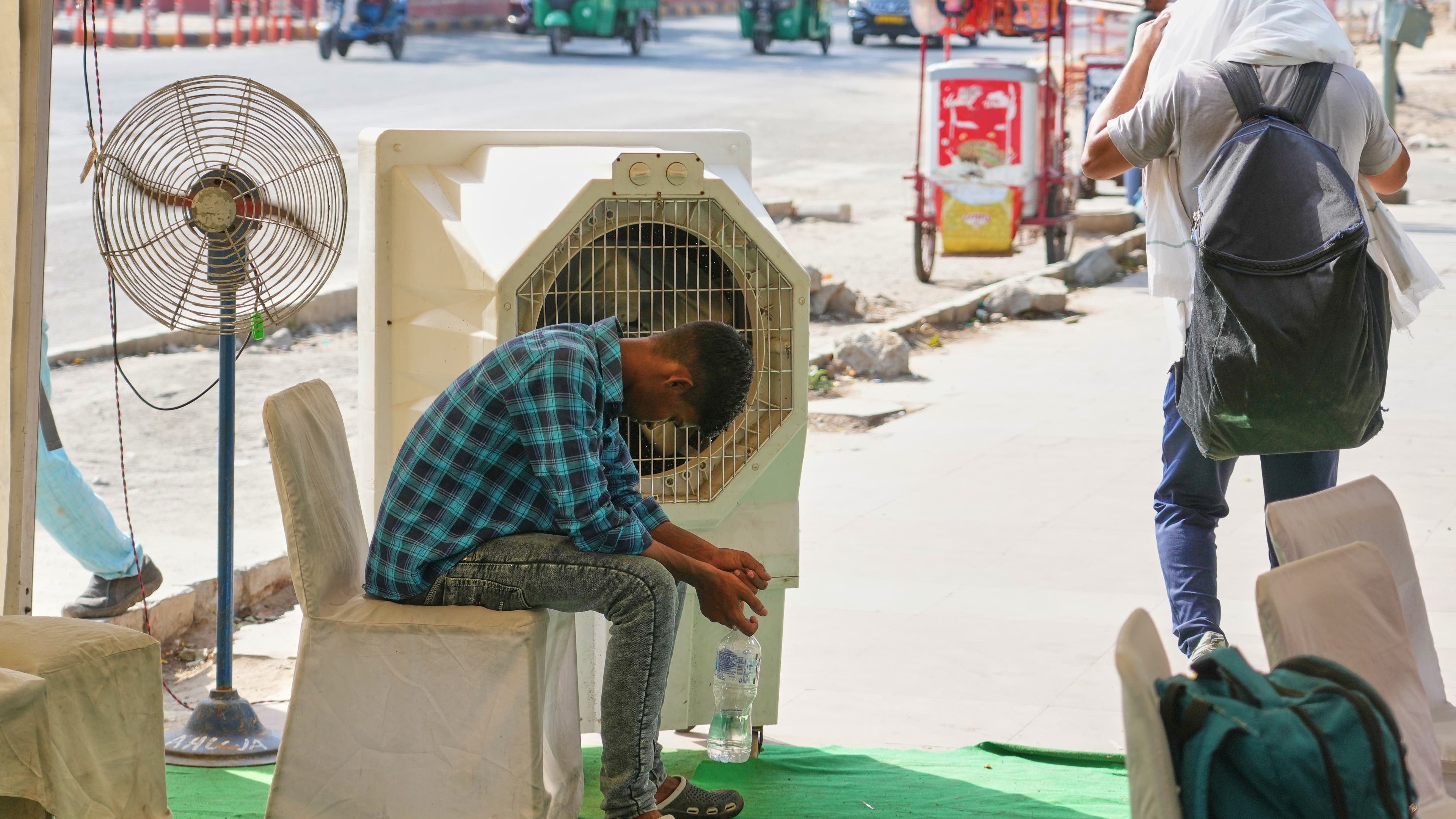
A heat wave affects large parts of northern India, disrupting daily life as scorching temperatures lead to roads and markets largely emptying during afternoons. Multiple reports describe a noticeable reduction in public activity during the hottest hours, with people avoiding time outdoors and commerce slowing in markets. The disruption extends across several northern states, where residents adjust routines to cope with the extreme heat.
Some farmers respond by changing their working schedules. Rather than working during peak daytime temperatures, several farmers shift activities to nighttime to reduce exposure to the heat. While the reports do not quantify casualties or specific economic losses, they consistently describe the same pattern of afternoon inactivity and adaptation through altered working hours.
Overall, sources agree that the heat wave creates broad, immediate impacts on movement, market activity, and labour practices across the affected region, particularly during the afternoons, when temperatures are highest.