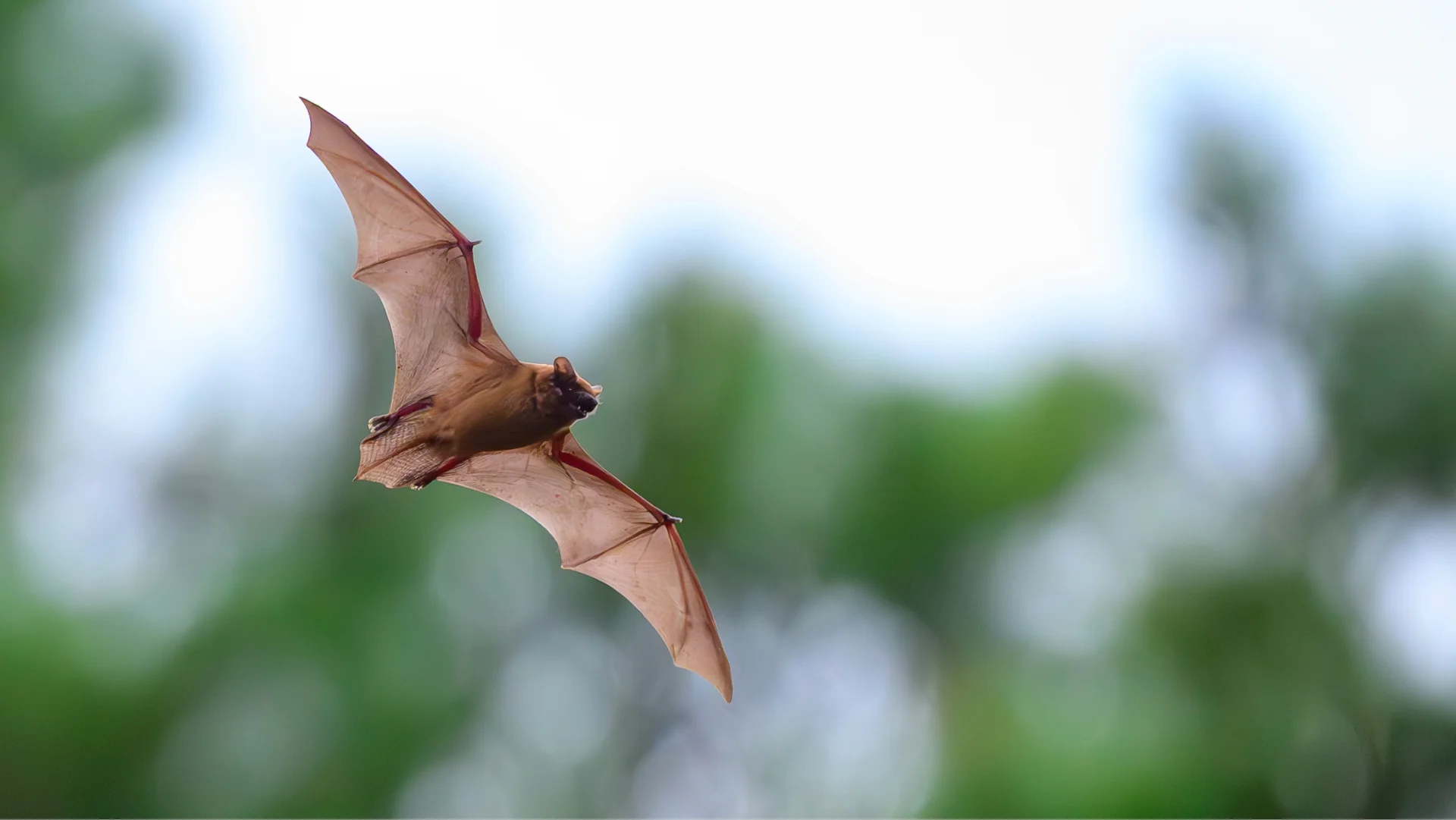
Researchers report that certain long-lived bats may have genetic adaptations that help them stay healthy for decades. The findings point to combinations of strong immune defenses and unusual mechanisms that remove damaged cells, which together may reduce the risk of cancer and other aging-related diseases.
The studies focus on how bat biology differs from typical mammals, particularly in the way immune-related genes and cellular maintenance processes work. ScienceDaily highlights a possible “secret” in bat DNA involving both protection against illness-causing factors and strategies for eliminating damaged cells. Inc. focuses on a link between bats’ longevity and genes tied to immune responses, especially those involved in fighting viruses.
While the outlets emphasize different aspects—cell damage elimination versus immune-virus defenses—they describe the same overall theme: bat genomes may carry biological advantages that support long-term health. Researchers say the goal is to understand whether these genetic and biological strategies could eventually inform new approaches to protecting human health as people age.