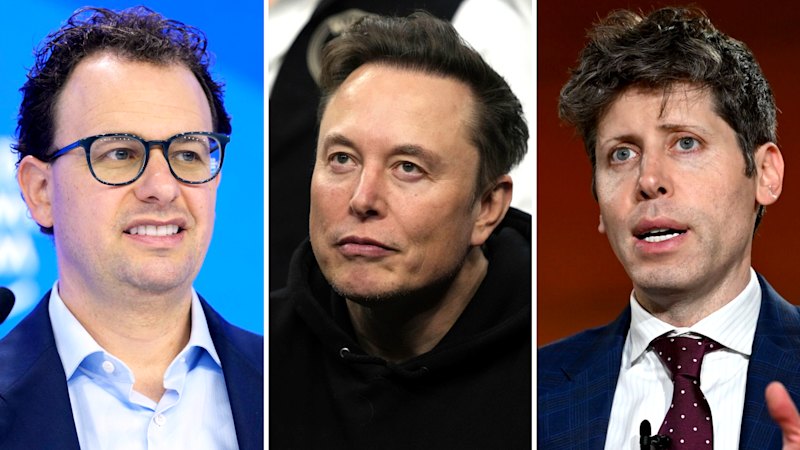
Three rival leaders in artificial intelligence are presented by multiple outlets as aligning on concerns about the technology’s potential risks to humanity, along with a plan intended to address those dangers. The reporting describes the proposal as focusing on preventing worst-case outcomes as AI systems become more powerful and widely deployed.
All three sources frame the story as notable because the parties involved are competitors, yet they converge on similar warnings about what could go wrong. While the articles differ in emphasis, they collectively highlight that the plan—rather than being purely technical—also touches on how safeguards and oversight could be implemented as development accelerates. The outlets caution that efforts to control advanced AI could carry consequences of their own if applied incorrectly or without broad coordination.
Across the coverage, the central points remain consistent: the rivalry does not eliminate common ground on safety concerns, and the proposed steps are portrayed as potentially significant in scope. Each outlet presents the same core claim—that the plan aims to reduce existential or large-scale harms—while underscoring that the approach could still create serious unintended effects depending on execution.