


Multiple outlets report that suicide rates in the U.S. military have risen since 2011, but services often cannot determine whether required suicide-prevention training is being completed and whether it is effective. Air Force Times, Navy Times, and Military Times describe that most branches do not appear to have clear accountability mechanisms to track completion of prevention training by personnel. The reporting focuses on an information gap: while training is required, services lack standardized ways to verify participation or completion at the unit or individual level. As a result, leaders cannot reliably assess whether training delivery is consistent across commands or whether troops are receiving the prevention education intended to reduce suicide risk. The articles collectively highlight that this shortfall limits oversight and makes it difficult to connect training efforts to changes in suicide outcomes. In the absence of stronger tracking and evaluation, the services’ ability to adjust training content, delivery methods, or resourcing based on measurable impact is constrained.
Military services lack measures to verify suicide-prevention training completion
Multiple outlets report that suicide rates in the U.S. military have risen since 2011, but services often cannot determine whether required suicide-prevention training is being completed and whether i...
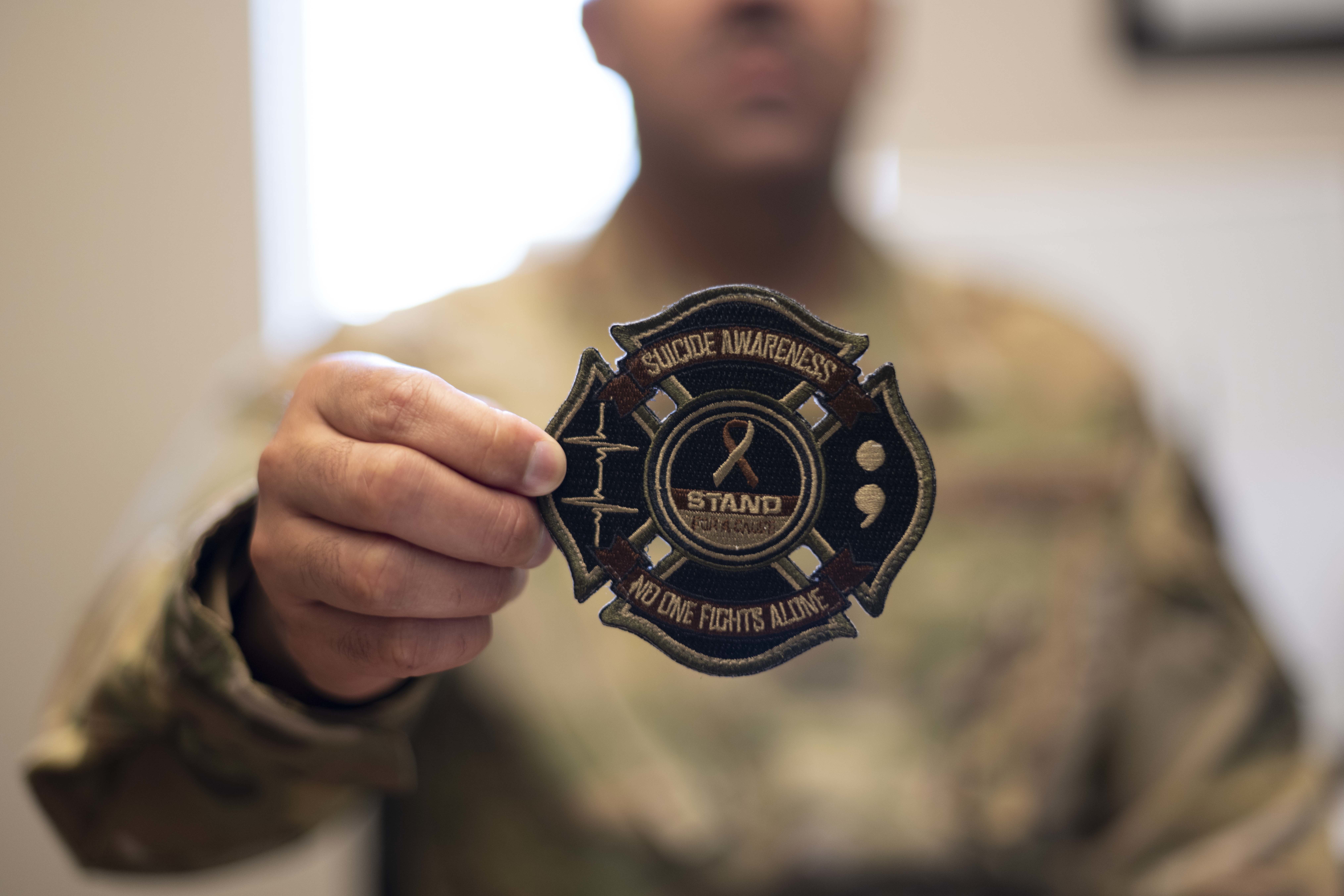
- Suicide rates in the U.S. military have increased since 2011.
- Air Force, Navy, and Military Times report that most services lack accountability measures for required prevention training.
- The services’ reported tracking gaps make it hard to confirm whether personnel complete the training.
- Outlets say the lack of verification limits oversight of training consistency and potential effectiveness.
- The articles collectively describe an information gap between training requirements and measurable outcomes.
Despite higher military suicide rates since 2011, most services do not have accountability measures to ensure troops complete required prevention training.
3 months agoDespite higher military suicide rates since 2011, most services do not have accountability measures to ensure troops complete required prevention training.
3 months agoDespite higher military suicide rates since 2011, most services do not have accountability measures to ensure troops complete required prevention training.
3 months ago
Richard Madeley emotional on Good Morning Britain while recalling Dolly Parton interview
Good Morning Britain presenter Richard Madeley appears emotional during a live tribute segment, fighting back tears as h...

Guide lists indoor attractions to escape wet weather this bank holiday
Multiple outlets publish a guide to indoor attractions for people trying to avoid wet weather during the current UK bank...

Raheem Sterling charged after M3 crash involving Lamborghini
Former England footballer Raheem Sterling is charged with dangerous driving following a motorway crash, police say. Mult...