


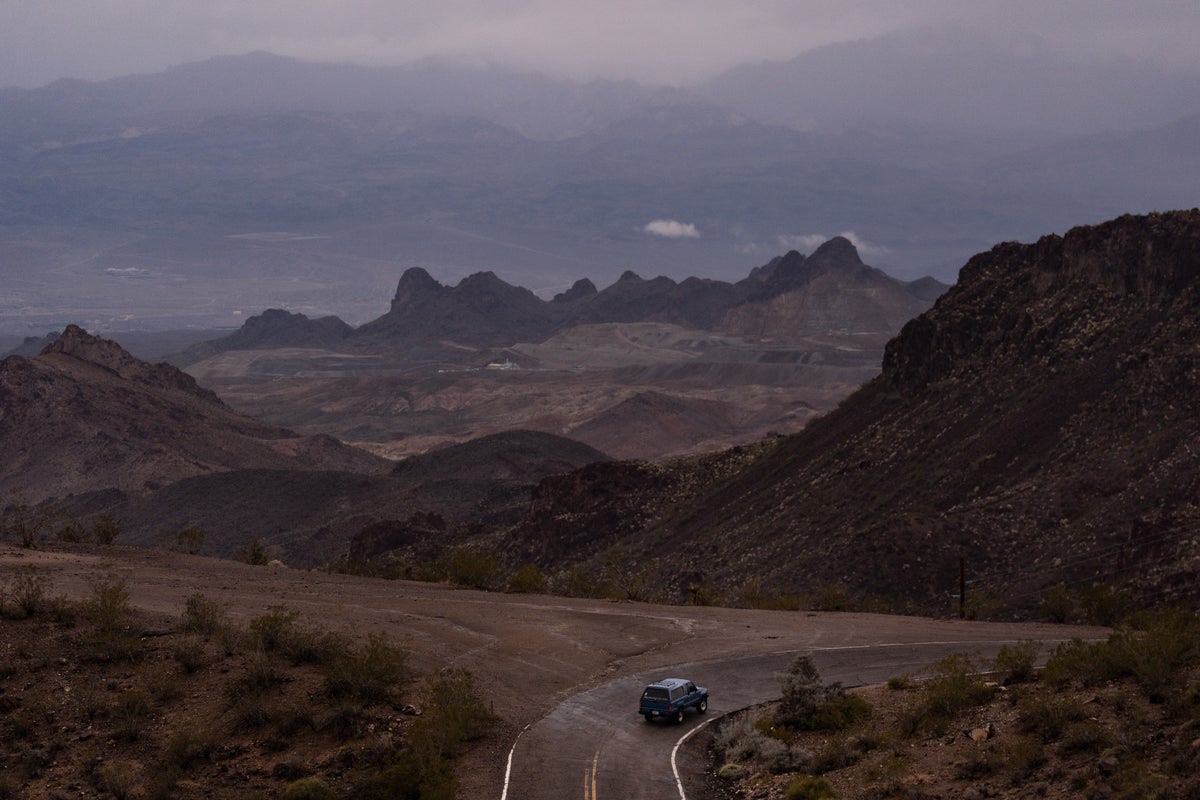
The articles describe the “great American road trip” as a defining cultural tradition, closely tied to the automobile that enables it. They present road travel as a powerful symbol in American life, associated with freedom of movement and long-distance journeys that became common as car ownership spread.
At the same time, the pieces emphasize that cars both support and complicate this tradition. The vehicle that makes road trips possible also introduces broader consequences—such as environmental and infrastructure strains—leading to tension between romanticized travel and the real-world costs of driving. One outlet frames this as a cultural story about what Americans hold dear, while the other approaches it with a more critical lens on how the same system that created road-trip culture also undercuts it.
Overall, the sources agree that the automobile and the road trip develop together, but they differ in emphasis: one centers on the tradition’s emotional resonance, while the other highlights the countereffects tied to car-dependent travel and its societal footprint.


