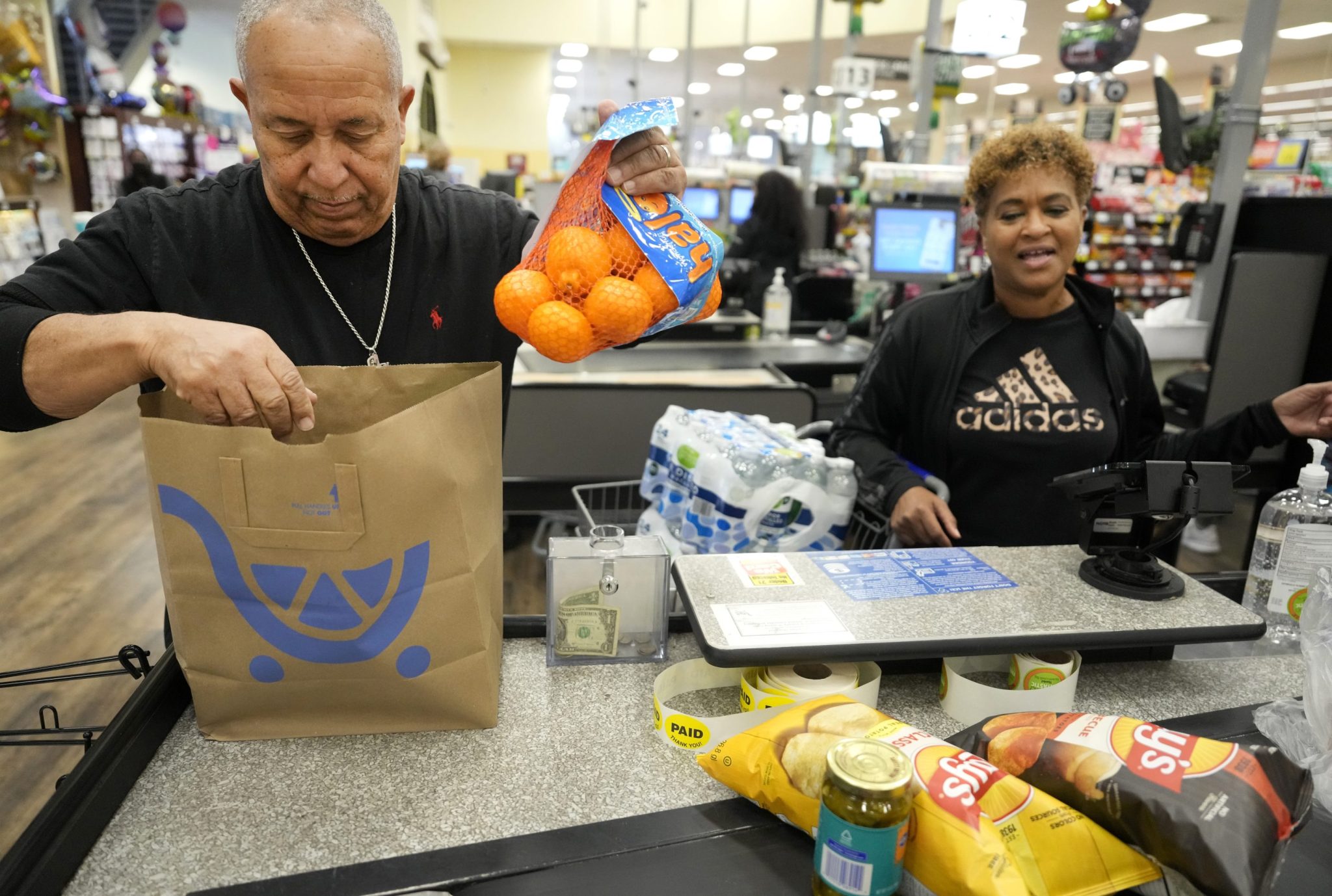
A Washington University study reports that about 30% of Americans take out “buy now, pay later” (BNPL) loans to pay for groceries. The analysis links the growth of consumer financing to higher costs for goods overall, arguing that when more purchases are financed rather than paid upfront, the price consumers face can increase.
Both outlets describe BNPL usage as widespread enough to affect the broader grocery market, not just individual borrowers. However, they frame the implications slightly differently. Fortune emphasizes the idea that “all of us are going to pay,” focusing on how increased financing can raise costs for everyone. Yahoo News repeats the same reported finding and highlights the likelihood that broader price impacts extend beyond those who obtain BNPL loans.
Taken together, the coverage centers on the study’s central claim: growing BNPL use for basic necessities like groceries is associated with higher costs in the market, even for consumers who do not use the financing option.