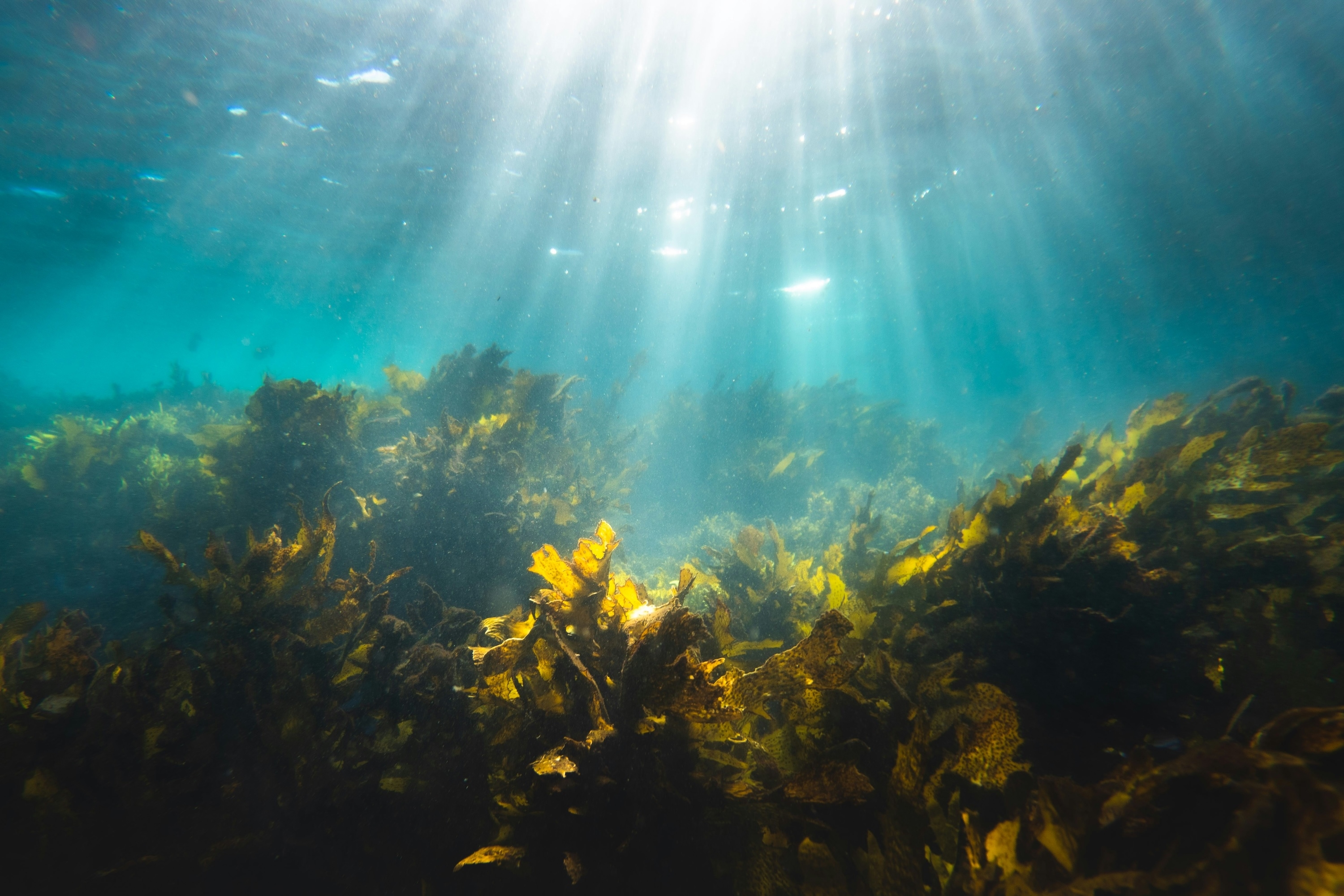
Marine bacteria are breaking down fucoidan, a complex carbohydrate produced by brown algae and diatoms. Fucoidan forms part of these organisms’ protective outer layers and acts as a tough carbon-storing molecule in the ocean. Its chemical structure can include many different linkages and branching patterns, and these features vary across algal species, making the molecule difficult for microbes to degrade.
Researchers describe how bacterial communities divide the degradation process rather than relying on a single organism. The work highlights that different bacteria can carry out different steps needed to dismantle fucoidan’s structure. This cooperative “division of labor” helps explain how marine microbes process one of the ocean’s more resistant carbohydrates, which in turn influences the fate of carbon in marine ecosystems.
Across outlets, the central emphasis is on the same finding: fucoidan is challenging to break down, and microbial consortia use coordinated strategies to do so. The reporting frames the advance as improving understanding of the mechanisms behind ocean carbon cycling and the microbial interactions that enable it.