


Different sides for buttons and zippers in men’s and women’s clothing largely reflect long-standing historical practice rather than any functional requirement. Both outlets attribute the convention to centuries-old habits that developed as clothing was cut, fitted, and fastened using the tools and techniques available at the time. Over many generations, designers and tailors followed established patterns, and those patterns became standard within each group’s clothing. Once the conventions were widely adopted, they were reinforced by the way garments were manufactured and sold, as well as by the expectations of wearers and dressers. While individual makers may vary, the overall direction of fasteners remains consistent because clothing construction methods and production standards tend to preserve traditional layouts. In practical terms, the differences persist because they are familiar and are embedded in ready-to-wear and tailoring norms. As a result, today’s fashion patterns mirror historical choices that were shaped by tradition and how garments were made.
Why men’s and women’s clothing use buttons and zippers on different sides
Different sides for buttons and zippers in men’s and women’s clothing largely reflect long-standing historical practice rather than any functional requirement. Both outlets attribute the convention to...
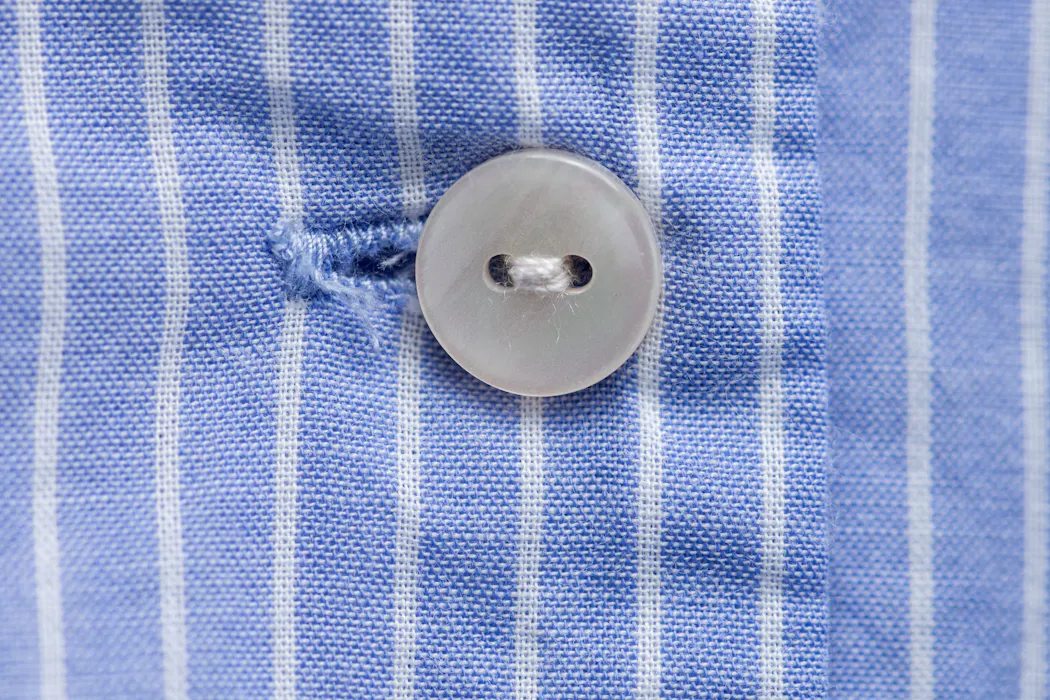
- Buttons and zippers are traditionally placed on different sides for men’s and women’s clothing.
- The convention is driven primarily by historical tradition and custom.
- Clothing-cutting and garment-making practices helped standardize these layouts over time.
- The differences persist because manufacturing and dress expectations reinforce the established patterns.
- There is no single modern requirement that makes the layout different for the sexes.
The answer has a lot to do with tradition, history and the way clothes were made long ago
3 months agoCenturies-old habits shaped today’s fashion standards.
3 months ago
Six months into Iran war, investment gains and consumer costs show uneven economic impact
Six months after the United States and Israel launch their war against Iran, outlets report that the worst economic fore...

Norway’s King Haakon VIII honors late father Harald in first sovereign speech
Norway’s new King Haakon VIII delivers an emotional first address to the nation after becoming sovereign, paying tribute...

Governors and other dignitaries attend Oborevwori’s son’s wedding in Delta’s Asaba
Political, traditional and business leaders converge in Asaba, Delta State, for the wedding of Innocent Oborevwori, the...