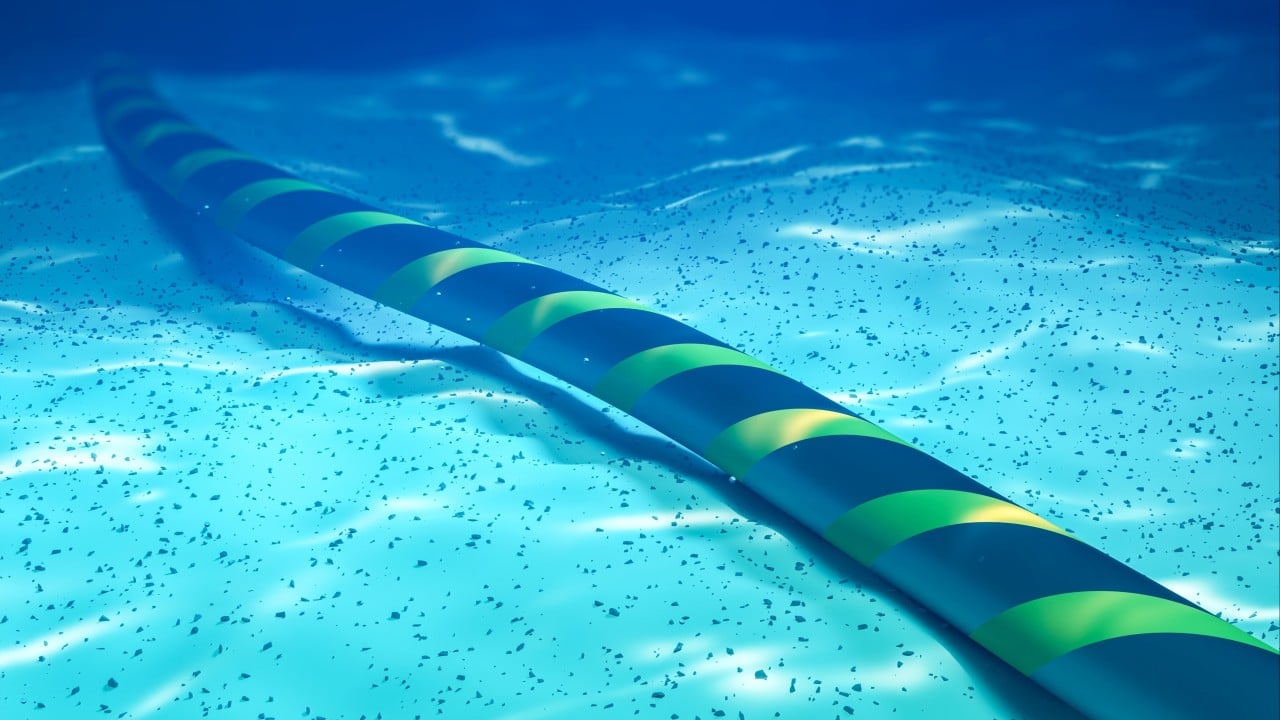
The US Trade and Development Agency (USTDA) announces funding for a feasibility study on a new trans-Pacific submarine cable connecting the United States to Thailand and potentially up to five other Southeast Asian countries. The project is intended to expand secure digital infrastructure in the region and reflects ongoing efforts by Washington to broaden communications links.
According to reporting, the proposed cable would be designed to route traffic through parts of Southeast Asia rather than traverse the South China Sea. One account describes a possible length of up to 18,507 km (11,500 miles) and outlines a connectivity path that would reach Thailand from the US via Indonesia, Malaysia, the Philippines, Singapore, and Vietnam.
Across the outlets, the main details align: USTDA funding is for a feasibility study, the cable is trans-Pacific, Thailand is a key endpoint, and the initiative is positioned within a broader context of technology and infrastructure competition in the region. The differences are primarily in the emphasis on geography—particularly the “avoidance” of the South China Sea—rather than on the overall purpose or scope of the study.