1 month ago
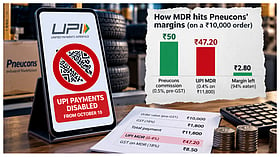
UPI MDR Explained: Why Pneucons Says New Payment Charge Could Eat 94% Of Its Mar...
Free Press Journal
1 month ago
UPI transactions rise 27% to 145 billion in H1 FY27 ahead of new MDR
Times of India
1 month ago
UPI MDR Relief? Indian Bank May Waive 0.28% Charge On Merchant Payments Above ₹2...
Free Press Journal
1 month ago
Indian Bank May Consider Waiving 0.28% MDR On UPI Transactions, Says CEO
NDTV
1 month ago
The ABC of MDR
Times of India
1 month ago
Supreme Court Seeks RBI, NPCI Response On 0.4% UPI MDR Rule, Refuses To Stay Oct...
Free Press Journal
1 month ago
UPI Charge On Stock Market Payments, Here's Who Will Bear The MDR Cost Brokers O...
Free Press Journal
1 month ago
SC to hear plea against UPI MDR tomorrow
The Economic Times (India)
1 month ago
'Not A Tax, Cess Or Surcharge': Finance Minister Nirmala Sitharaman On Proposed...
Free Press Journal
1 month ago
‘Not a government issue’: FM Sitharaman explains where UPI MDR charge goes
Times of India
1 month ago
New UPI MDR From October 15, Know- Will Indians Pay Extra While Using UPI In 11...
Free Press Journal
1 month ago
UPI MDR: ‘Not a single penny’ will go to govt; earnings to be shared among banks...
Mint (India)
1 month ago
Govt To Reach Out To Traders Over UPI MDR Concerns; No Extension Beyond October...
Free Press Journal
1 month ago
How monetising UPI hurts electronics retailers
The Hindu - Technology
1 month ago
NPCI CEO Dilip Asbe Addresses UPI MDR Concerns, Says 96% Transactions Below ₹2,0...
Free Press Journal
1 month ago
UPI Charges: Banks Asked To Stock Up ATMs? Here Is What Government Says
NDTV
2 months ago
Traders Call For ‘No UPI Day’ On October 2 Against Proposed 0.4% MDR On High-Val...
Free Press Journal
2 months ago
UPI MDR will fund innovation, protect small merchants: NPCI’s Dilip Asbe
Times of India
2 months ago
UPI charges could reverse gains: ex-NITI VC
The Economic Times (India)
2 months ago
UPI MDR Will Not Push Users Back To Cash, Says RBI Deputy Governor SC Murmu
Free Press Journal
2 months ago
UPI Charges Above ₹2,000: Mumbai Traders React Strongly To MDR & Fear Shift...
Free Press Journal
2 months ago
End Of Free UPI May Impose ₹ 2k Crore Burden On MP Consumers
Free Press Journal
2 months ago
UPI Vs Debit Vs Credit Card, Which Payment Method Costs Merchants The Most And W...
Free Press Journal
2 months ago
UPI MDR Explained: Are Two In Three Shoppers Paying Over ₹2,000, Will Purchases...
Free Press Journal
2 months ago
Govt Plans Measures To Prevent Merchants Passing UPI MDR Charges To Consumers
Free Press Journal
2 months ago
UPI MDR Charges To Attract 18% GST; Merchants Can Claim Input Tax Credit On Elig...
Free Press Journal
2 months ago
New UPI Charges Explained, These 5 Transactions Will Still Remain Free
Free Press Journal
2 months ago
MDR charges explained: Who will pay how much for UPI?
Times of India
2 months ago
UPI MDR Debate: Traders Divided Over 40 Basis Point Charge On Large Digital Paym...
Free Press Journal
2 months ago
UPI MDR could cost 47.2 bps with GST for merchants
Economic Times
2 months ago
UPI And The Aim Of Keeping Digital India Free
Free Press Journal
2 months ago
Supreme Court PIL Challenges 0.4% MDR On UPI Transactions Above ₹2,000 Before Oc...
Free Press Journal
2 months ago
NITI Aayog VC defends UPI merchant fee
The Economic Times (India)
2 months ago
India Brings Merchant Fees to Popular UPI Payment System
PYMNTS
2 months ago
‘This Is False’: Govt Rejects Foreign Influence Claim Over New UPI Merchant Fee
Free Press Journal
2 months ago
UPI fee rollback ruled out, 0.4% MDR to stay
The Economic Times (India)
2 months ago
Centre Rejects Foreign Influence Claims Over UPI MDR Charges, Says Digital Payme...
Free Press Journal
2 months ago
UPI’s new cost worries retailers
The Economic Times (India)
2 months ago
Only 17% Of Merchants Willing To Absorb 0.4% MDR On UPI Payments Above Rs 2,000:...
NDTV
2 months ago
UPI Charges From October 15: 10 Things Every User Should Know Before Paying Onli...
NDTV
2 months ago
Paytm CEO Vijay Shekhar Sharma Backs UPI Charges On Large Payments, Calls Move A...
Free Press Journal
2 months ago
Who has to pay MDR on UPI and who stands to gain the most? | Explained
The Hindu
2 months ago
Only 17% Merchants Willing To Accept 0.4% MDR On UPI Payments Above ₹2,000: Surv...
Free Press Journal
2 months ago
MDR on UPI: What stays free, what attracts Rs 5 flat fee, and what 0.4% charges?
Times of India
2 months ago
Person-to-merchant UPI payments over Rs 2,000 to attract MDR : What remains free...
Times of India
2 months ago
Paytm wins, but ATM also wins! Why CMS Info Systems shares jumped 7% on UPI MDR
The Economic Times (India)
2 months ago
UPI MDR From October 15: Who Pays, What Changes, Which Payments Stay Free? Five...
NDTV
2 months ago
Introduction Of MDR On Large Value Transactions To Strengthen UPI's Long-Term Su...
Free Press Journal
2 months ago
RBI backs UPI MDR for wider acceptance
The Economic Times (India)
2 months ago
UPI MDR charges from October 15: Who will pay on transactions above ₹2,000?
The Hindu
2 months ago
MDR on UPI: What consumers and merchants need to know?
Business Line - Home
2 months ago
UPI Charges Explained: What Is MDR And Will Customers Pay For Transactions Above...
Free Press Journal
2 months ago
UPI MDR Explained: 0.4% On Big Spends, Rs 300 Cap, Flat Rs 5 For Essentials — He...
NDTV
2 months ago
NPCI introduces 0.4% MDR charge on UPI payments above ₹2,000, exempts small merc...
The Hindu
2 months ago
Govt Introduces 0.4% MDR On Large UPI Merchant Payments, Caps Fee At ₹300
Free Press Journal
2 months ago
UPI Payments Above Rs 2,000 Face 0.4% MDR, Know- Who Will Actually Pay?
Free Press Journal
2 months ago
UPI Charges To Be 0.4% For Some Payments Above Rs 2,000. Free For Consumers
NDTV
2 months ago
UPI payments above ₹2,000 to face 0.4% MDR
The Economic Times (India)
2 months ago
NPCI Committee To Decide UPI MDR Charges Soon; Large Merchant Transactions May F...
Free Press Journal