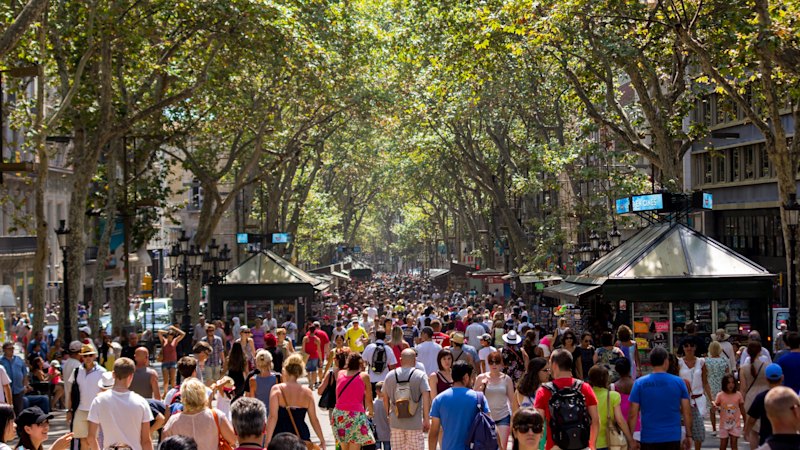
Multiple Australian outlets publish a personal visit-style report focusing on a city described as a “world capital of overtourism.” The articles say the destination draws large crowds of visitors, faces growing friction with residents, and experiences periodic enforcement or policy crackdowns by local authorities.
Across the outlets, the core framing is similar: the city is portrayed as a place where tourism is highly visible and where concerns about crowding and neighborhood impacts have prompted public debate and government action. Each article notes that locals and officials respond through measures intended to manage visitor numbers and behaviour.
Despite the shared emphasis on tensions, the outlets also converge on a more balanced conclusion about the experience itself. They state that, notwithstanding criticism and enforcement efforts, the city still offers attractions and remains a place some travellers can enjoy—suggesting that overtourism has consequences, but does not eliminate the city’s appeal. The articles largely differ in tone and the degree to which they emphasize the positive travel experience versus the problems associated with overcrowding, rather than in the underlying facts presented.