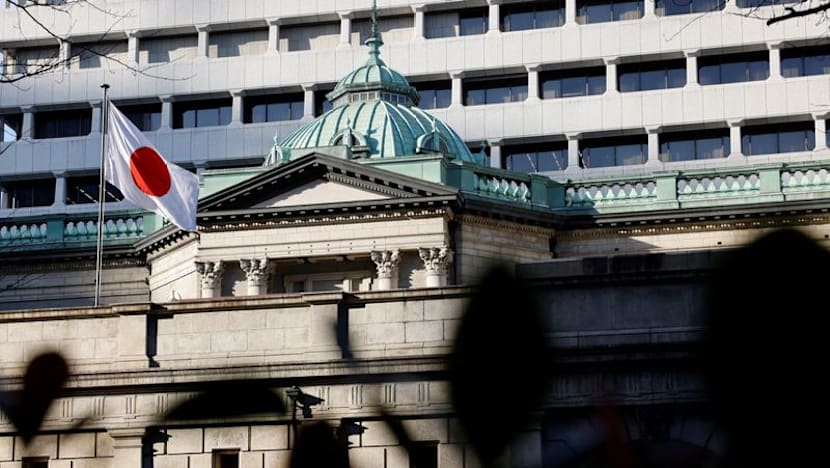
The Bank of Japan is set to raise interest rates to a 31-year high, according to multiple reports. The move comes as policymakers assess inflation risks and the outlook for prices and economic activity.
Across the coverage, the central focus is the BOJ’s decision to tighten policy further rather than maintain earlier settings. Outlets frame the decision around the balance between supporting growth and containing inflation pressures, with attention on how higher rates could affect borrowing costs, currency movements, and consumer prices.
While the sources align on the rate increase reaching a 31-year high level and the inflation-related rationale, they may differ in emphasis on specific channels of risk—such as the timing of the inflation outlook, the sensitivity of markets to the BOJ’s guidance, and the likely implications for financial conditions. The reports collectively indicate that the BOJ’s next steps are shaped by its evaluation of inflation persistence and broader macroeconomic conditions.