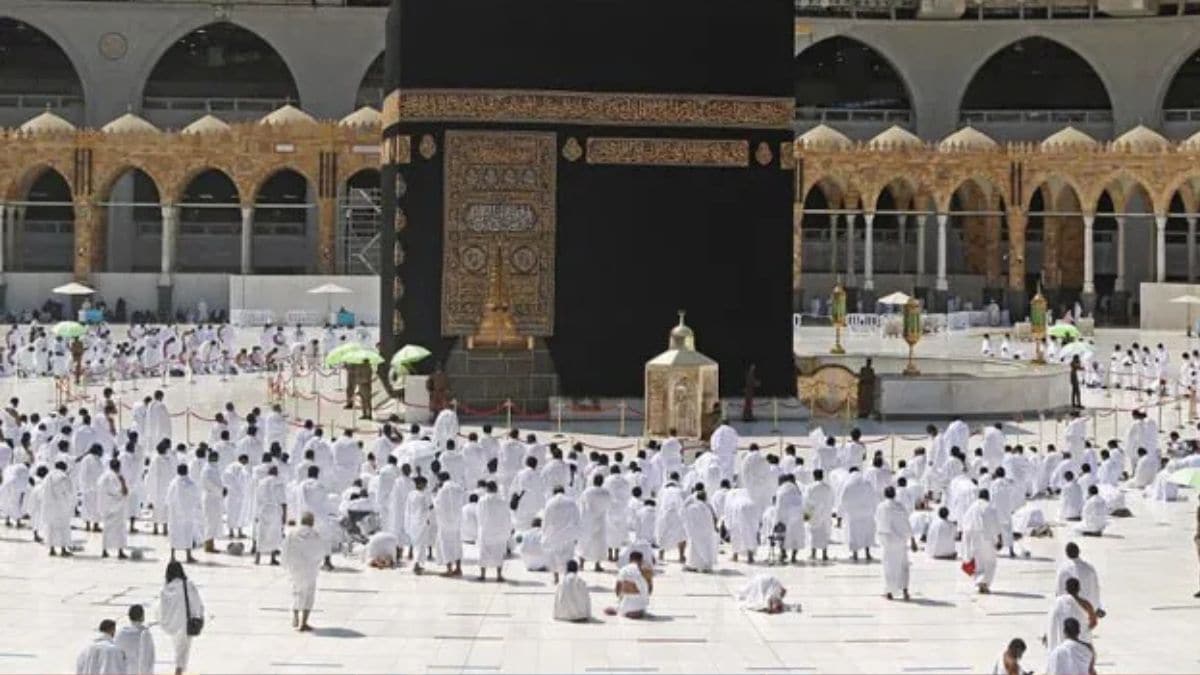
On 20 November 1979, an armed group seizes Islam’s Grand Mosque in Mecca, beginning a siege that lasts several days and becomes one of the most significant incidents in modern Saudi history. Reports from the period describe the attackers as numbering around hundreds and entering the mosque with weapons, taking control of parts of the complex and holding worshippers.
Accounts also describe how Saudi security forces eventually retake the site. One outlet says attackers are “gassed out,” referring to the use of tear gas or similar agents inside the mosque to force a surrender or push them out. While details can vary across retellings—such as the precise sequence of operations and the extent of force used—the common thread is the combination of armed assault by the attackers and a coordinated security response that restores control of the mosque.
In this set of sources, the focus centers on the scale of the siege (including the large number of men involved) and the method used to end the standoff, rather than on later legal or political fallout. The framing underscores the shock of the attack on a holy site and the extraordinary measures used to resolve it.