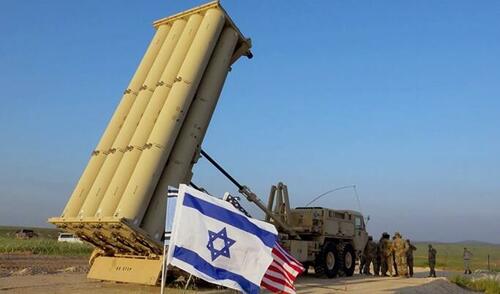
A Washington Post report, cited by multiple outlets, says the US carried a disproportionate share of missile-defence missions during the war with Iran, particularly in protecting Israel. According to the report, the US fired more than 200 Terminal High Altitude Area Defence (THAAD) interceptors against Iranian ballistic missiles, described as roughly half of the Pentagon’s total THAAD inventory. It also launched more than 100 Standard Missile-3 (SM-3) and Standard Missile-6 (SM-6) interceptors from naval vessels in the Eastern Mediterranean.
In contrast, Israeli forces reportedly fired fewer than 100 Arrow interceptors and about 90 David’s Sling interceptors. The David’s Sling system was also used to counter projectiles launched by Iran-backed groups from Yemen’s Houthis and Lebanon’s Hezbollah, which are generally described as relying on less advanced drones and missiles than Iran.
The report attributes the imbalance to how the US and Israel structured their defensive strategy, with US advanced interceptors taking on the bulk of the threat. US officials cited by the paper also warn that the disparity could worsen if fighting resumes, including due to possible Israeli missile-defence batteries being taken offline for maintenance.