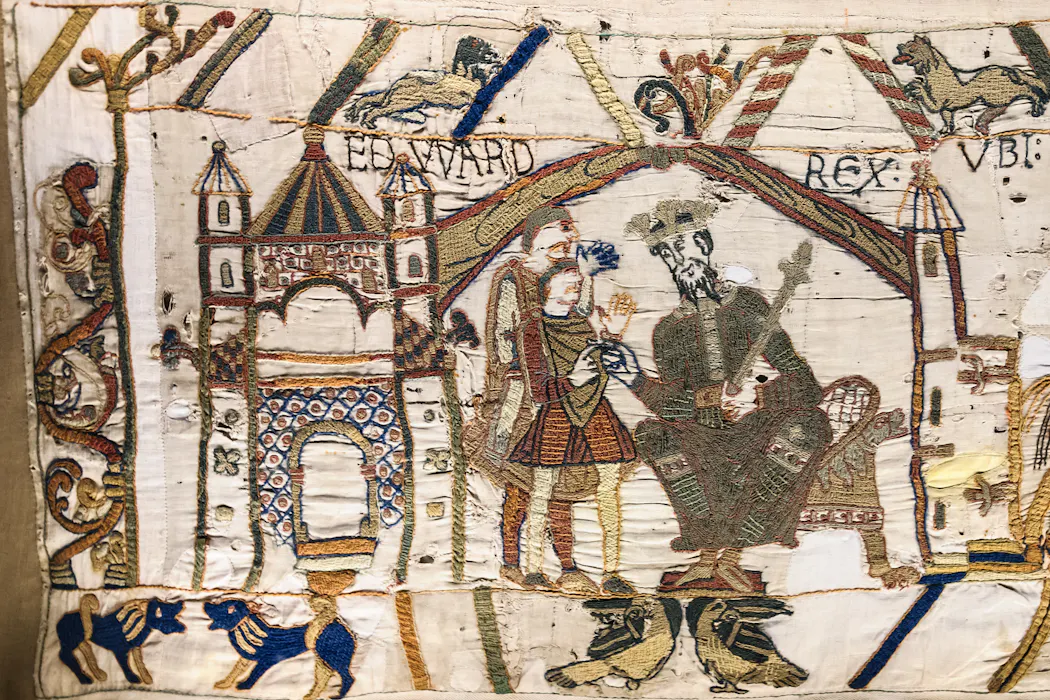
The Bayeux Tapestry includes 33 depictions of buildings that offer evidence about medieval construction practices, according to analysis of the textile’s scenes. The study focuses on how the architectural details portrayed in the work align with building knowledge from the period.
The Conversation highlights that the tapestry’s designer appears familiar with both monastic manuscript traditions and stonemasonry, suggesting the maker had access to technical and scholarly environments. Phys.org provides broader context on what viewers associate with the tapestry—such as ships, horses, and the events surrounding the Norman campaign leading up to the Battle of Hastings—while also pointing to the significance of the architecture scenes.
Across the two sources, the common theme is that the tapestry is more than a narrative of warfare and courtly life. It also serves as a visual record of built environments on both sides of the English Channel. While the outlets emphasize different angles—one on architectural implications and the other on widely recognized imagery—both treat the building depictions as an important element for understanding medieval life and skills.