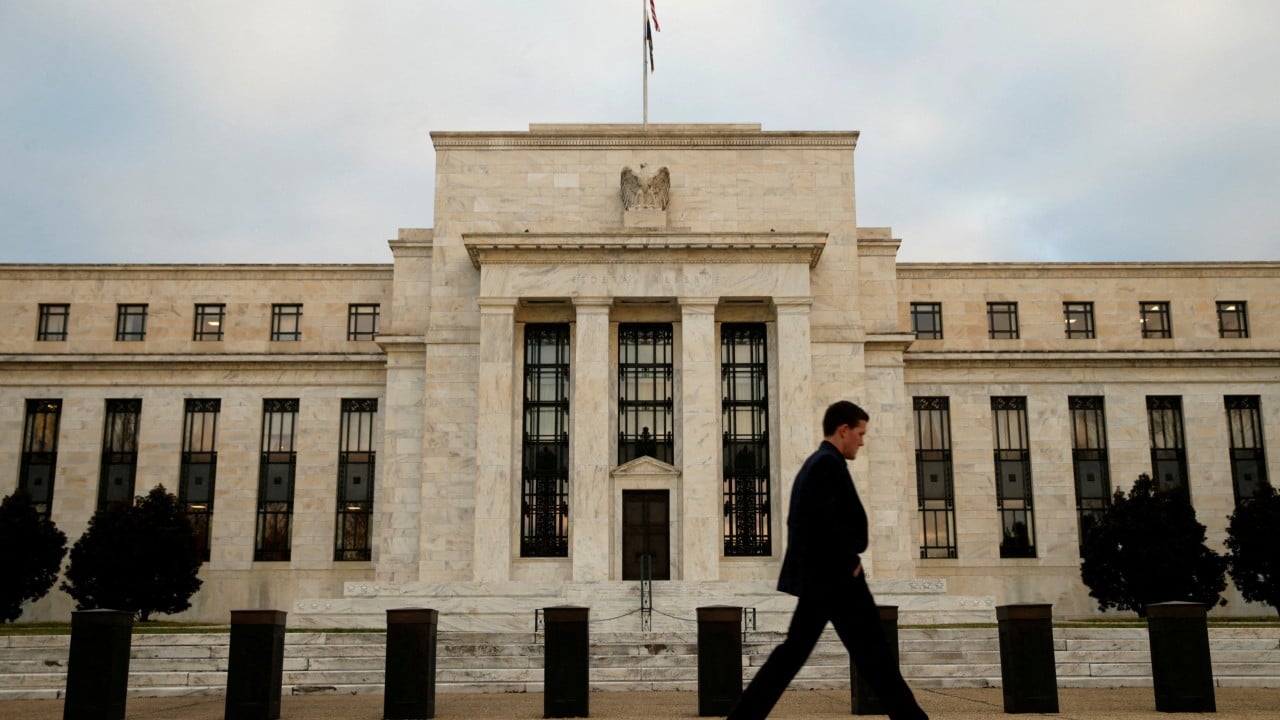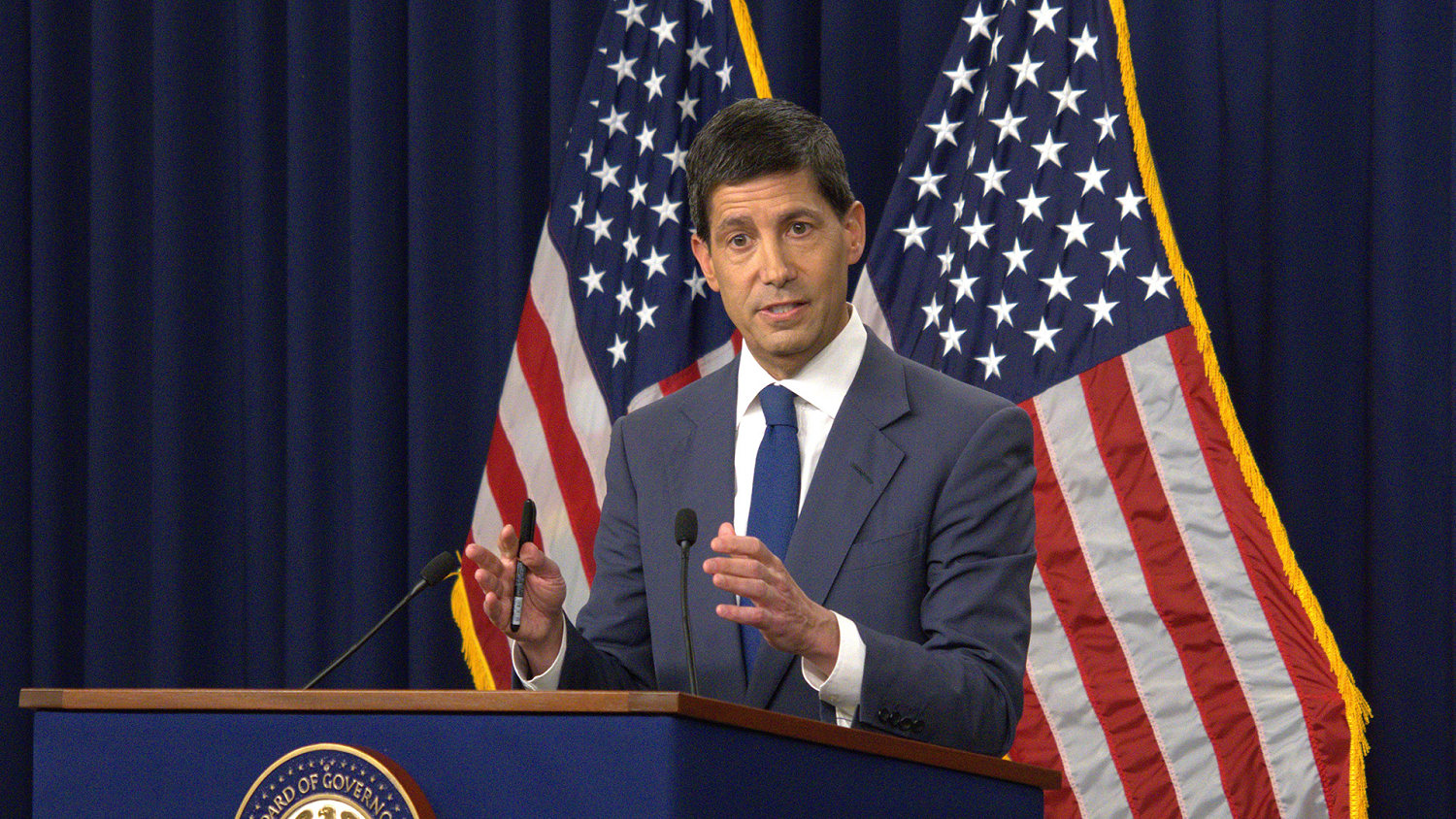
The Federal Reserve raises interest rates for the first time in more than three years, a move that can change borrowing costs for consumers. The impact is felt through interest rates tied to the Fed’s policy decisions, influencing products such as mortgages, car loans, and credit cards.
Both outlets describe how higher benchmark rates typically feed into rates offered by lenders over time. That can mean new borrowers may see higher interest rates, while existing borrowers may be affected differently depending on whether their loans have fixed or variable rates. Credit card interest, which often tracks broader market rate movements, can also rise when overall funding costs increase.
While the overall direction of impact is the same across sources, they emphasize different consumer touchpoints. One focuses on how the hike translates to specific household borrowing categories—mortgages, car loans, and credit cards—while the other frames the same relationship more broadly around mortgages and credit card pricing.