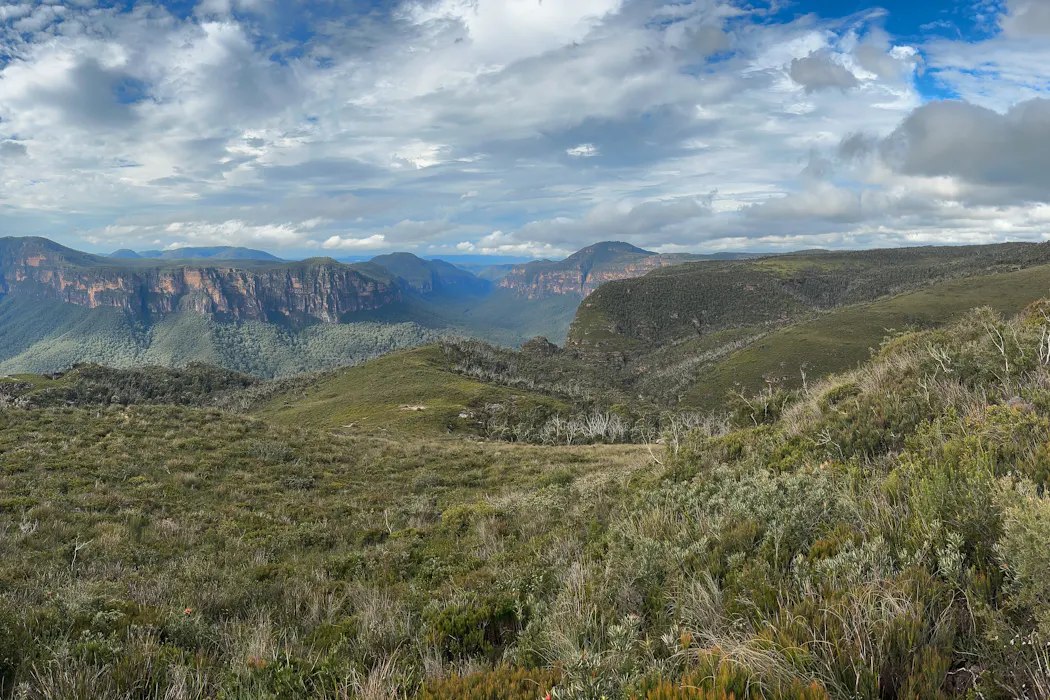
Australia’s forest and woodland ecosystems—covering millions of hectares and providing habitat, carbon storage, and water regulation—are increasingly the focus of new monitoring efforts as scientists seek better information on how they change over time.
Both outlets describe a move toward near-real-time tracking using satellites, aiming to reduce reliance on slow, labor-intensive field data collection. The Conversation emphasizes the long-standing difficulty of deploying and maintaining sensors in remote woodlands, where data gathering has required arduous trips. Phys.org frames the need more broadly, noting that despite the importance of forests and woodlands, researchers have limited understanding of long-term changes across Australia’s varied environments.
In this coverage, the differing angle is mainly on motivation and mechanics: Phys.org highlights the ecological and climate relevance of improved change detection, while The Conversation spotlights the practical challenge of getting sensor data from remote areas to researchers quickly. Both converge on the same goal—using satellite capabilities to observe forest change more frequently and with less delay than conventional approaches.