


Farmers in multiple regions are increasingly turning to alternatives to conventional nitrogen fertiliser as a supply crunch tightens access to products such as urea. Reporting links the shortage to disruption effects tied to the Iran war, which affects portions of the global fertiliser supply chain and raises concerns about availability and cost. One outlet notes that around a third of traded urea—widely used for nitrogen—originates from the Gulf region, making markets sensitive to instability there. As conventional nitrogen inputs become harder to secure, some farmers and associated producers are adopting practices that use waste-derived nitrogen sources. Coverage describes demand for urine-based fertiliser products and other organic alternatives, including manures, as substitutes when standard fertilisers are scarce. The shift reflects broader pressure on agricultural inputs and the search for lower-cost or locally available nutrient sources. While urine and manure-based products can provide nitrogen, the articles focus on the supply-demand pressures and the move toward alternative nutrient options rather than on comparative agronomic performance or regulatory changes.
Fertiliser crunch linked to Iran war drives farmers to use human urine as nitrogen source
Farmers in multiple regions are increasingly turning to alternatives to conventional nitrogen fertiliser as a supply crunch tightens access to products such as urea. Reporting links the shortage to di...
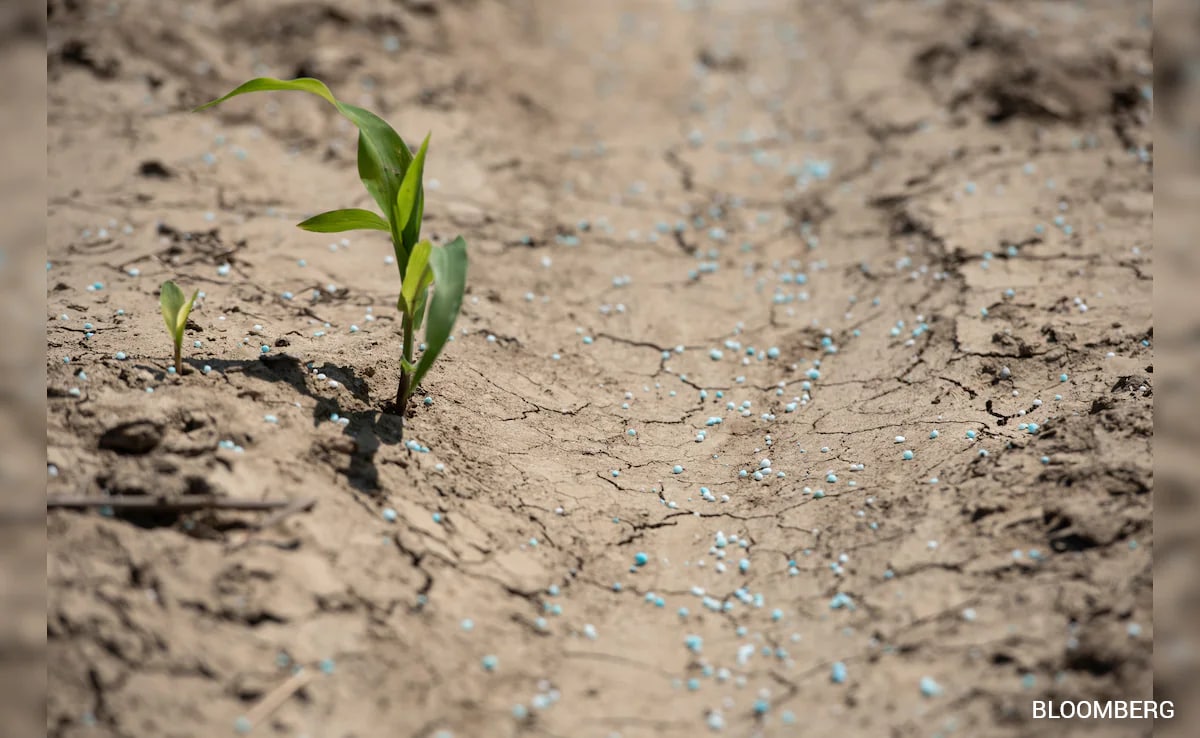
- Farmers face a fertiliser supply crunch, especially for nitrogen inputs such as urea.
- Reporting links the shortage to disruption effects associated with the Iran war.
- Around one-third of traded urea originates from the Gulf region, making supplies sensitive to regional instability.
- Some farmers increasingly use alternative nitrogen sources, including human urine-based fertiliser products.
- Other organic waste sources such as manure are also mentioned as substitutes during the shortage.
Farmers worldwide are under pressure. About a third of traded urea, a widely used nitrogen fertilizer, comes from the Gulf region.
3 months agoFrom Yorkshire chicken muck to human urine-based products, a fertilizer crunch tied to the Iran war is accelerating demand for alternatives to conventional nitrogen inputs.
3 months ago
West says Russia loses about 6,000 more troops monthly than it can recruit in Ukraine
Western officials say Russia is losing roughly 6,000 more troops in Ukraine each month than it can recruit to replace th...

Lakers pivot after missing out on Jonathan Kuminga to the Timberwolves
The Los Angeles Lakers fail to land forward Jonathan Kuminga after a two-month pursuit, as he agrees to a two-year contr...

TCL QM7L and QM64L mini-LED TVs see steep discounts at Amazon and Best Buy
Amazon and Best Buy are running sales on TCL mini-LED 4K TVs, with discounts reported across multiple screen sizes. The...