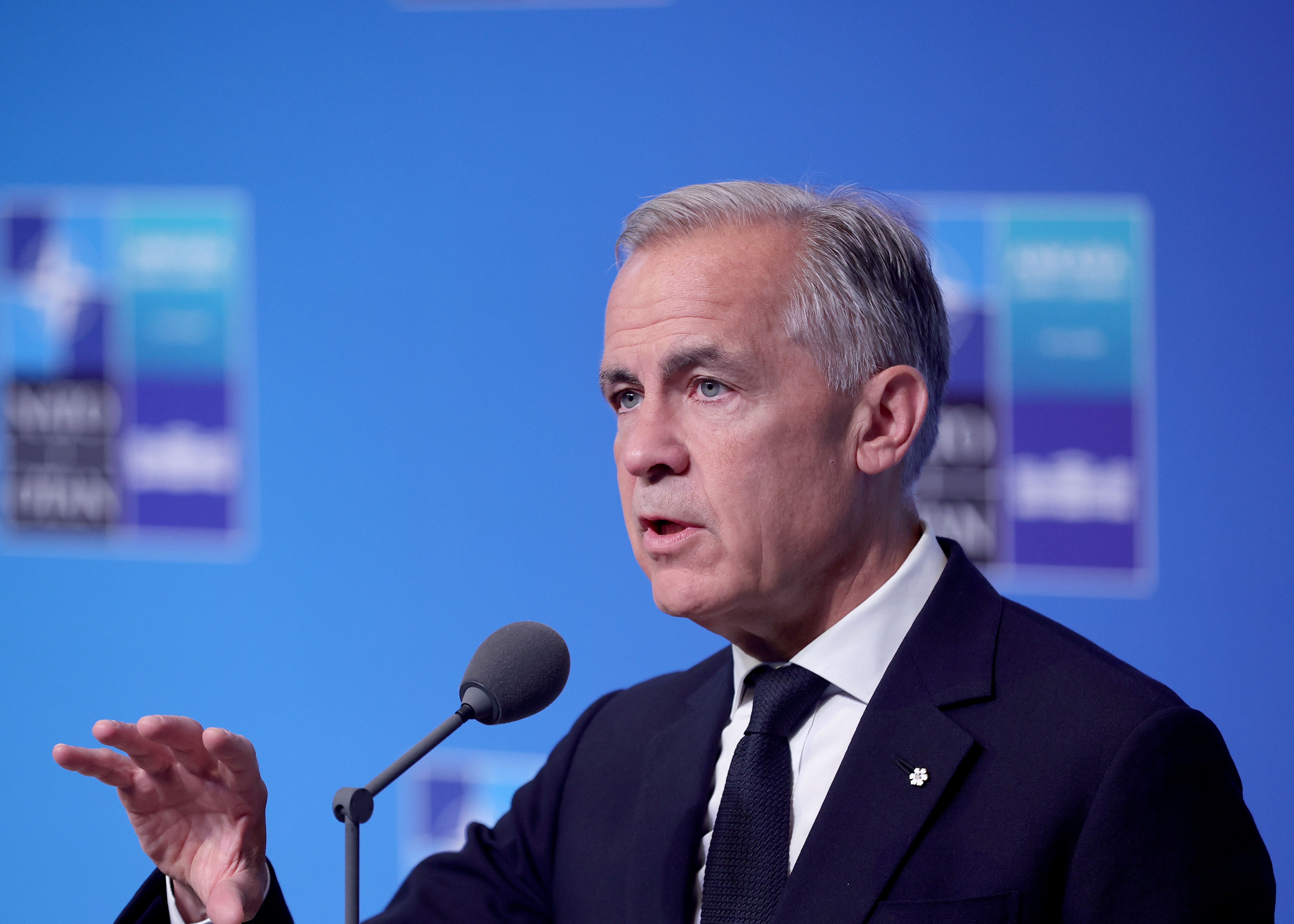
Tata Sons’ board approves a fresh five-year term for N. Chandrasekaran as executive chairman, even as the company faces renewed regulatory pressure over stock-market listing requirements. The decision also moves the group toward steps to address a Reserve Bank of India (RBI) directive tied to Tata Sons’ classification as an upper-layer NBFC.
The RBI has rejected Tata Sons’ application to surrender its core investment company (CIC) registration, following an assessment that the holding company’s asset level brings it under rules that require public listing. Outlet reports frame this as reviving questions about listing and governance, including how any market debut would affect shareholders, notably Tata Trusts’ majority control. Reporting also highlights that Chandrasekaran had earlier said in August 2026 that he would not seek reappointment when his term ends in February 2027, after leadership uncertainty within the Tata group.
Across outlets, a key point of divergence is timing and scope of board discussions. One report details a board action taken at a recent meeting and describes opposition from Tata Trusts chairman Noel N Tata, while other coverage discusses whether further deliberations on Chandrasekaran’s future are expected at upcoming meetings. Multiple outlets also cite governance complications affecting the chairman-selection process, including issues involving Sir Ratan Tata Trust.