


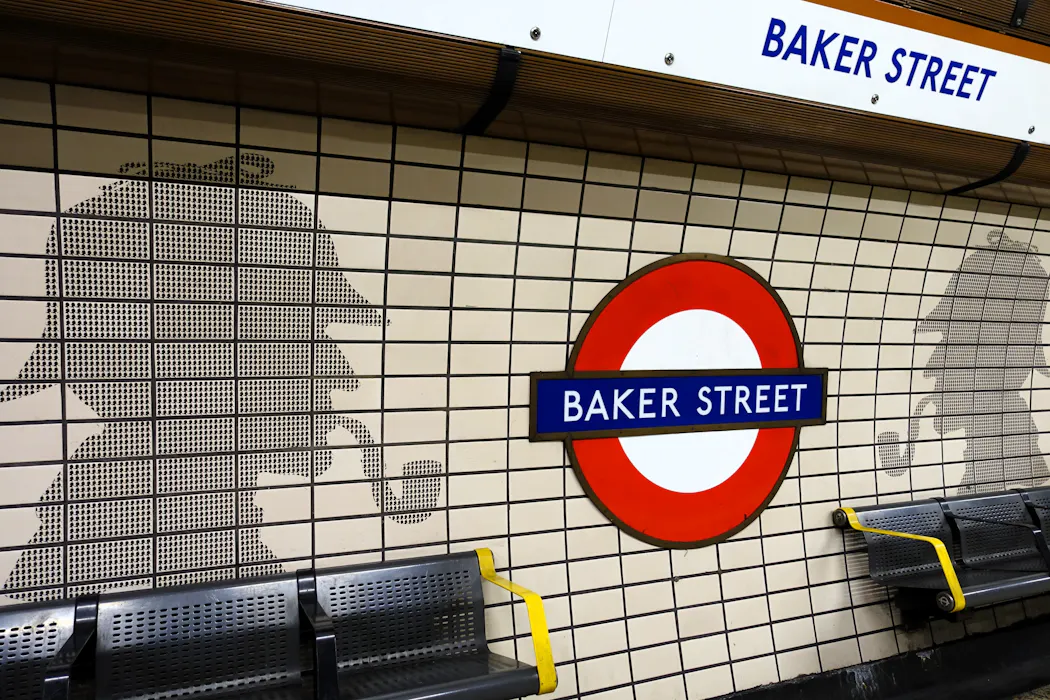
Readers continue to seek out famous settings from classic novels and poems, from the Brontë sisters’ Haworth to Jane Austen’s Bath and Thomas Hardy’s Dorset. However, these “literary places” often fail to match what visitors imagine from the page.
The Conversation and Phys.org both describe how readers’ affection for fictionalized or transformed landscapes shapes expectations, sometimes leading to disappointment when real locations differ from literary descriptions. The accounts point to how authors and earlier editions can frame places in particular ways, and how the lived environment—through changes over time, varying viewpoints, or incomplete correspondence between text and location—does not always align with the scenes readers picture.
Across outlets, the emphasis is on the mismatch between reading experience and physical geography. While the places associated with authors and works can be visited, the exact “version” of a setting that appears in literature may be a blend of observation, invention, and selective portrayal rather than a direct map to today’s streets, buildings, and surroundings. That gap shapes how people experience literary tourism.


