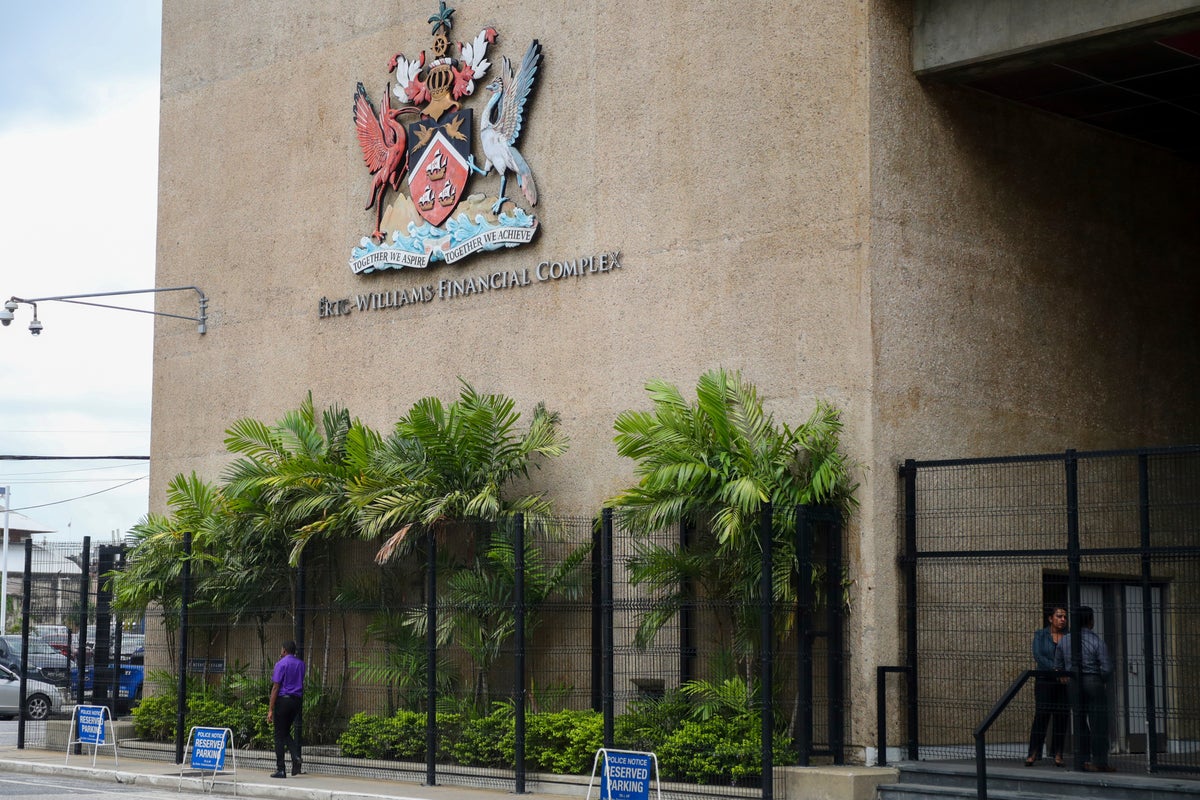
Trinidad and Tobago ends a long-running state of emergency, according to reporting that notes anger is building over arrests made during the emergency period. The decision marks a shift in how policing and security measures are applied, as authorities move away from extraordinary powers.
Both outlets link the change to rising public concern, with coverage emphasizing that the end of the emergency comes as protests and tensions are reported to be increasing. While the sources focus on the same development, they frame the situation through different immediate implications: one highlights worries about possible unrest or violence, while the other centers on the mounting anger connected to arrests. Details on the scale of arrests, the specific allegations, or any formal conditions tied to the emergency’s conclusion are not provided in the excerpts.
Overall, the reporting presents the end of the state of emergency as a significant policy and security milestone, occurring against a backdrop of public dissatisfaction and uncertainty about the next phase of law-enforcement activity.