


Two outlets report a detailed breakdown of what a search result contains when represented in text and markup, totaling 24,723 tokens. The analysis examines the “field by field” structure of the data, focusing on how different parts of a search response contribute to token usage and how that representation affects downstream AI agents that ingest the content for retrieval and reasoning.
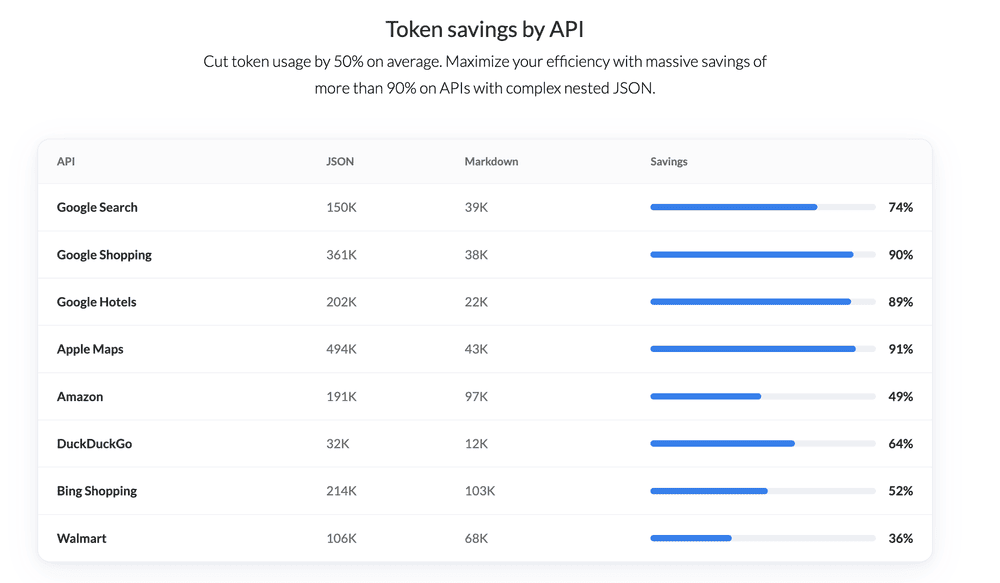
The outlets also point to an optimization approach involving SerpApi’s Markdown output. Machine Learning Mastery frames the work as an exploration of why AI agents consume large numbers of tokens when handling search results and files, while KDnuggets highlights that the Markdown format can reduce search-result token usage by up to 74%. Both pieces describe the same overall finding: that the way search results are formatted and delivered materially changes token volume, with implications for context-window overhead and operational cost for AI systems.
Overall, the differing emphasis is on either the general motivation and breakdown methodology (Machine Learning Mastery) or the cost-reduction impact of the specific Markdown output format (KDnuggets), while agreeing on the core analysis and the reported token savings.


