


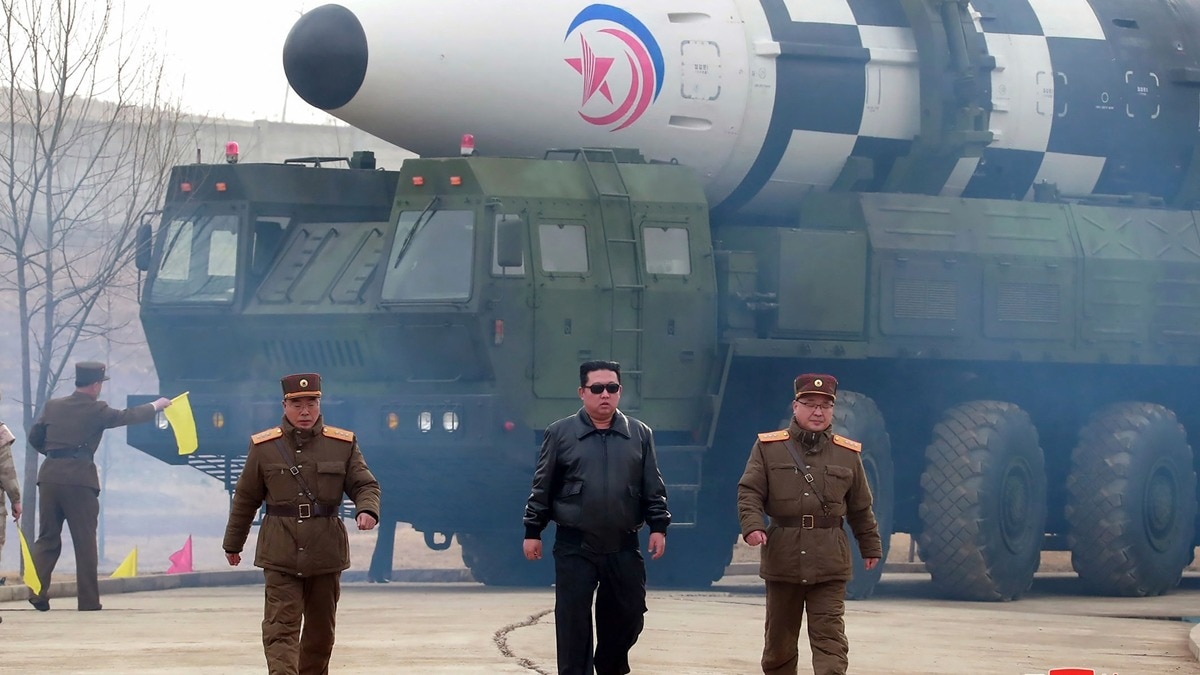
North Korea’s underground nuclear tests are linked to a sharp rise in seismic activity, with researchers reporting 1,399 local earthquakes triggered since the testing began. The events are recorded as a cluster of quakes associated with underground detonations.
Scientists note that the frequency is unusually high compared with other periods of seismic activity documented in the region. The testing appears to activate or disturb nearby fault structures, leading to a broader swath of local quakes than would be expected from background seismicity alone.
While the core finding is consistent across coverage—that the quakes are tied to North Korea’s underground nuclear testing—outlets differ in emphasis. One focuses on the total number of quakes observed, while another highlights the interpretation that the explosions are reactivating previously dormant fault lines. Both accounts rely on seismic monitoring data collected by researchers and place the quake sequence in the wider context of how underground blasts can affect regional geology.


